



Seoul: Fertility clinics across South Korea have seen a sharp rise in demand as the country continues to report the world’s lowest birth rate.
Many couples and individuals are turning to in vitro fertilization (IVF) and other fertility treatments to start families, as growing financial and social pressures push parenthood later in life.
From 2018 to 2022, the number of fertility procedures performed in South Korea increased by nearly 50 percent, reaching 200,000. In Seoul alone, 1 out of every 6 babies born last year was conceived through fertility treatment.
The country’s birth rate dropped to 0.72 babies per woman in 2023, far below the replacement level of 2.2 and among the lowest ever recorded globally. While the rate rose slightly to 0.75 in 2024, the first increase in nearly a decade, experts say it is too early to know if this signals a true recovery.
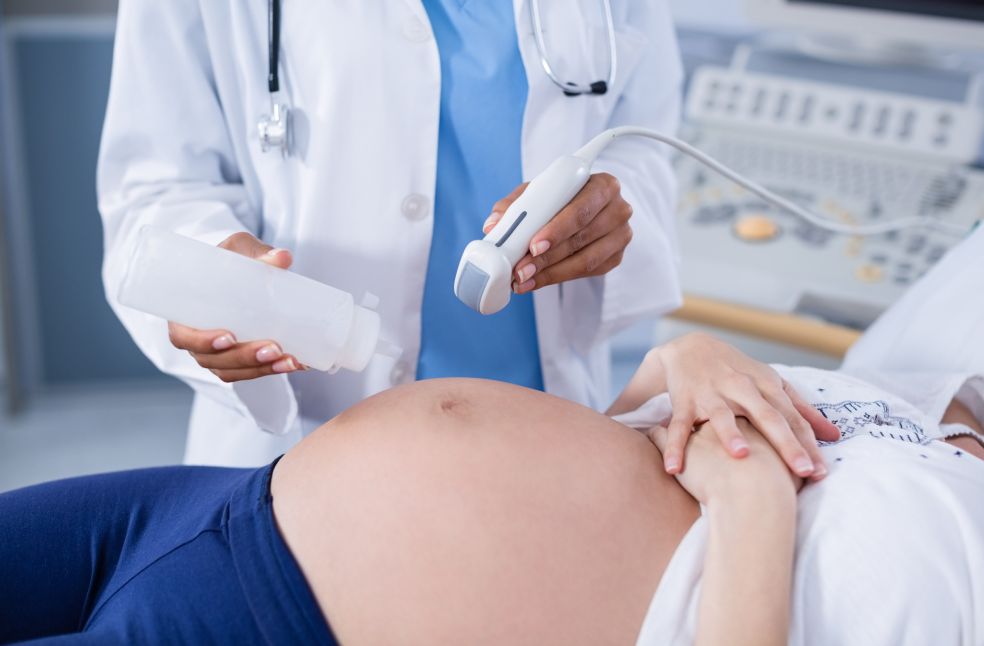
Changing attitudes towards family planning are also influencing this trend. Many young people now plan families later in life, focusing first on work, finances and stability. According to experts, this makes assisted fertility an option for those facing age-related challenges.
Despite new hope, demographic experts stress that deeper issues, such as high living costs, long working hours and social expectations, continue to discourage many from having children.
Industry projections show South Korea’s fertility services could grow to over $2 billion by 2030 as demand continues. For policymakers, the trend is a reminder that while more people want children, many still face barriers that make this difficult to achieve.
South Korea’s experience is also being closely watched by other ageing nations, as its approach to boosting birth rates and supporting fertility could offer lessons for tackling similar demographic crises worldwide.
YOU MAY LIKE | Researchers develop dual method to prevent Chemo hair loss
