


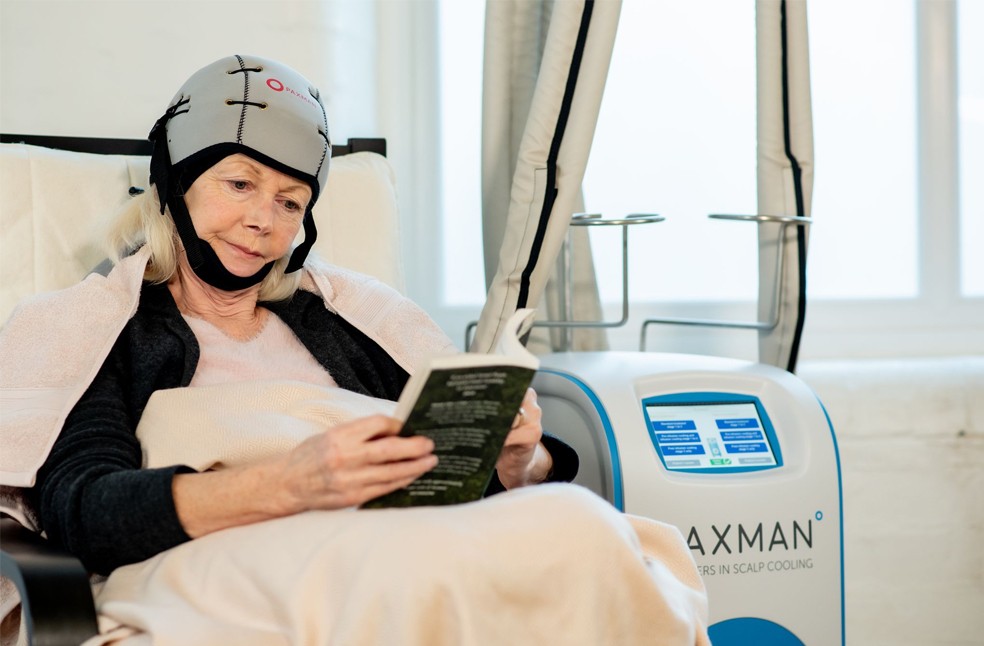
Sheffield, UK: Researchers at Sheffield Hallam University have announced a significant breakthrough in reducing hair loss caused by chemotherapy, unveiling a dual-approach method combining scalp cooling with an antioxidant-based lotion.
Described as a ‘powerful double weapon,’ this new technique may greatly improve the ability of cancer patients to retain their hair during treatment.
Scalp cooling, already in use by some chemotherapy patients, works by reducing blood flow to the scalp, thereby limiting the amount of cancer medication that reaches hair follicles.
However, the research team at Sheffield Hallam has now identified the optimal temperature for this technique to be most effective: 18°C (64.4°F). Cooling the scalp to this level significantly prevents damage to hair follicles, whereas cooling to 26°C does not offer the same protection.
The study, published in Frontiers in Pharmacology, involved isolating human hair follicles from the scalp and growing them in lab conditions before exposing them to chemotherapy drugs. Dr. Nik Georgopoulos, Associate Professor of Cell Biology and Transforming Lives fellow at Sheffield Hallam, explained that chemotherapy drugs attack all rapidly dividing cells, not just cancer cells. This includes keratinocytes, the fast-dividing cells at the base of hair follicles that are essential for hair growth.
In the lab, these cells typically die upon exposure to chemotherapy. However, when subjected to cooling at the optimal 18°C, the hair follicle cells were not only protected but were completely shielded from cell death. Dr. Georgopoulos emphasized that “there is a catch, you have to use the right temperature,” but added that cooling essentially slows the cell division process, offering a form of protection.
To strengthen the protective effects of cooling, the researchers developed a topical antioxidant lotion made with compounds such as resveratrol, found in red grapes and peanuts, and the supplement N-Acetylcysteine.
These antioxidants were shown to compensate for less-than-optimal cooling temperatures, transforming the scalp cooling process into a more effective and consistent method of hair loss prevention. Dr. Georgopoulos highlighted the combination as a ‘powerful double weapon’ in the fight against chemotherapy-induced alopecia.
Milestone in cancer care
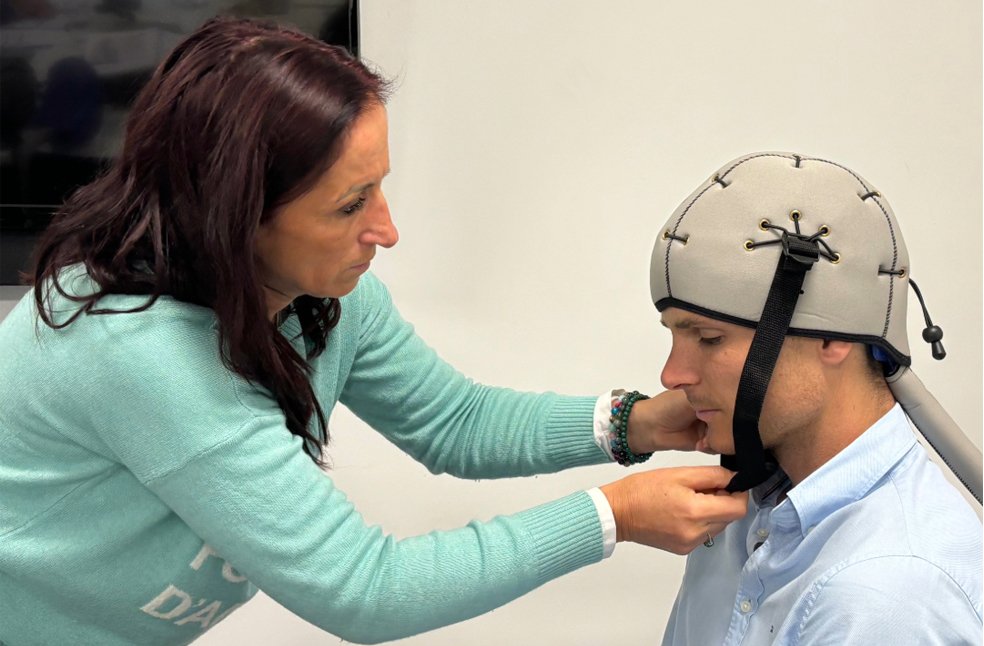
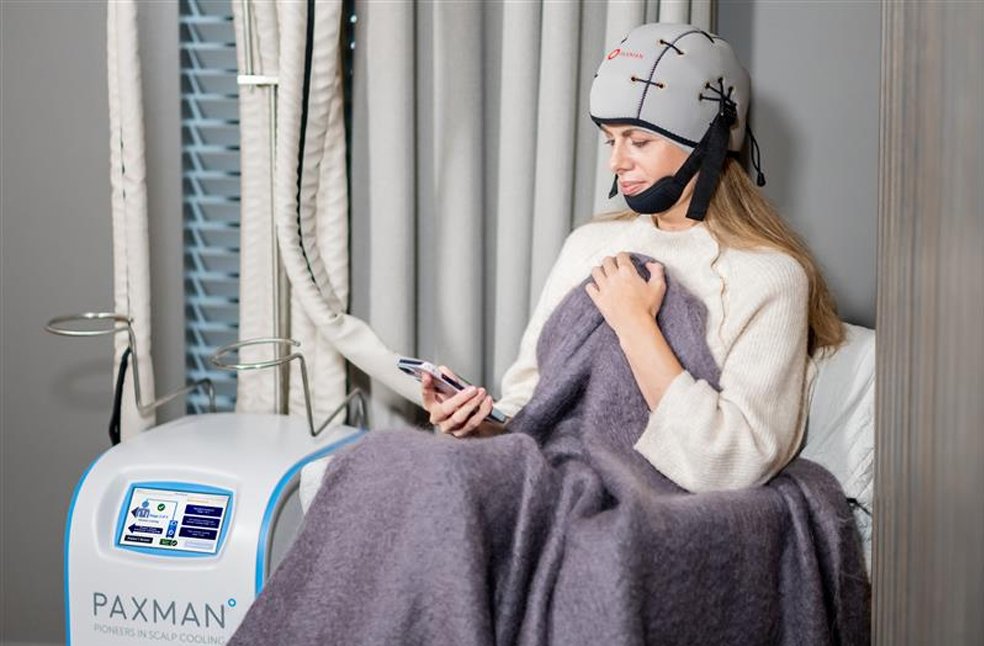
The research has been hailed as a milestone in supportive cancer care and is expected to lead to future clinical trials. Dr. Georgopoulos has been working closely with Paxman Scalp Cooling, a company based in Huddersfield that developed a scalp cooling device designed to circulate coolant through a specially engineered cap.
The Paxman cooling cap is worn for about 30 minutes before chemotherapy begins, remains on throughout the treatment session, and is kept on for up to 90 minutes post-treatment to maintain effective cooling and maximize protection.
The next step in the research involves launching human trials using the Paxman system in combination with the antioxidant formulation, which is currently being finalized. Researchers believe that this dual treatment could revolutionize the way patients manage chemotherapy side effects and greatly improve quality of life during cancer treatment.
This development comes at a time when patient dignity and comfort are increasingly being recognized as essential components of cancer care. The promising results not only offer hope for hair preservation but may also reduce the emotional and psychological impact that accompanies hair loss during chemotherapy.
MOST READ | xAI’s Grok sparks outrage with antisemitic, offensive posts
