


Washington DC: The Trump administration is reportedly planning to dismiss at least 2,145 senior-level NASA employees, including those with specialized skills and leadership responsibilities, in a sweeping move to reduce the size of the federal government.
Documents indicate that the majority of the impacted individuals, around 1,818, are currently involved in core mission areas such as science and human space flight, while the rest work in mission support roles, including information technology.
The reduction will be carried out through early retirements, buyout packages, and deferred resignations, aligning with the administration’s broader goal of downsizing federal agencies.
This large-scale downsizing effort threatens to strip NASA of decades of institutional knowledge and technical expertise. In response to inquiries about the proposed layoffs, NASA spokesperson Bethany Stevens stated that the agency remains committed to its mission while adapting to a more prioritized and constrained budget.
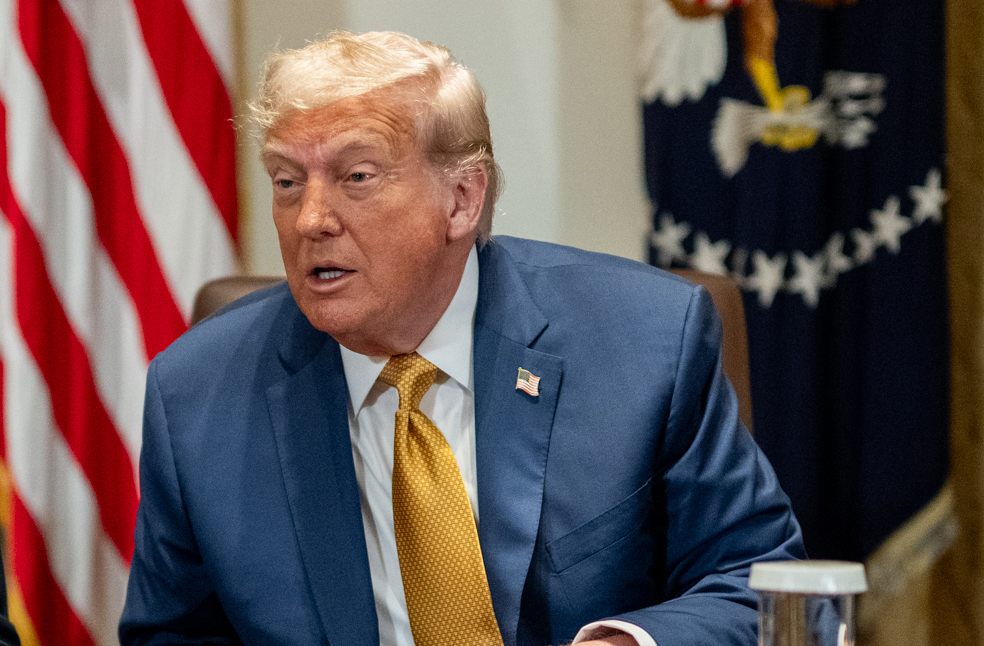
Since President Donald Trump returned to office in January, the US space sector has been destabilized by mounting layoffs and the administration’s proposed fiscal year 2026 budget, which calls for unprecedented cuts to NASA’s science programs.
The budget proposal includes a 47 percent reduction in funding for NASA’s science division, which would result in the cancellation of dozens of projects and research initiatives, effectively halting critical scientific exploration.
Letter to Congress
This drastic shift has sparked widespread concern within the scientific community. Last week, seven former heads of NASA’s Science Mission Directorate issued a joint letter to Congress strongly condemning the proposed cuts.
The letter, directed to the House Appropriations Committee, urged lawmakers to safeguard America’s leadership in space science and reject the White House’s proposal, which they attributed to Trump’s Budget Director, Russ Vought. The former officials stressed that investments in NASA science have historically fueled innovation, economic growth, and global technological leadership.
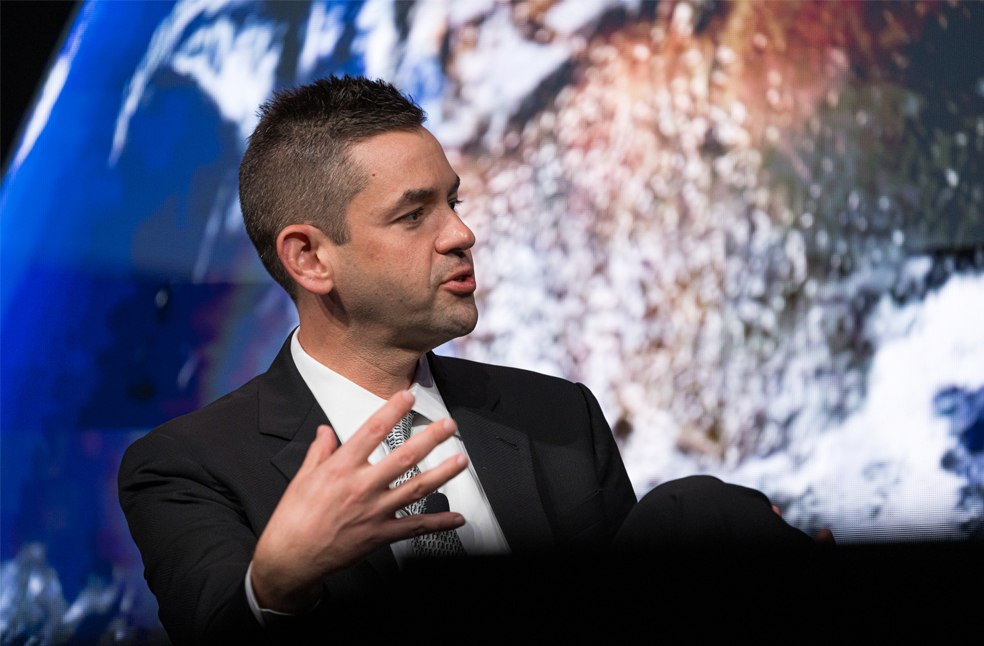
They pointed to numerous achievements made possible through these investments, including the successful landing of a car-sized rover on Mars with precision, the construction of the James Webb Space Telescope capable of unfolding in space to probe deep cosmic mysteries, the operation of spacecraft resilient enough to study the Sun’s extreme temperatures, and the continued inspiration generated by Hubble Space Telescope imagery. They also emphasized NASA’s pioneering use of small satellites for scientific research.
The letter further warned that these severe cutbacks could allow China to surpass the US in space science. They described China’s space program as ambitious, well-funded, and expansive, with plans to return Martian samples, explore Neptune, monitor climate change for national benefit, and conduct deep-universe observations, objectives the U.S. may abandon under the 2026 budget.
Compounding the agency’s challenges, NASA remains without a confirmed administrator. The Trump administration abruptly withdrew its nominee, billionaire private astronaut Jared Isaacman, in what appears to be political retaliation against Elon Musk.
Musk had reportedly advocated for Isaacman’s appointment. In a social media post attacking Musk, Trump expressed concern that someone closely linked to Musk, whose companies like SpaceX are deeply integrated with NASA, should not be running the agency.
Trump wrote that, “It would have been thought inappropriate that a very close friend of Elon, who was in the Space Business, run NASA, when NASA is such a big part of Elon’s corporate life.”
ALSO READ | Europe’s Silent Killer: Heatwave deaths linked to climate
