


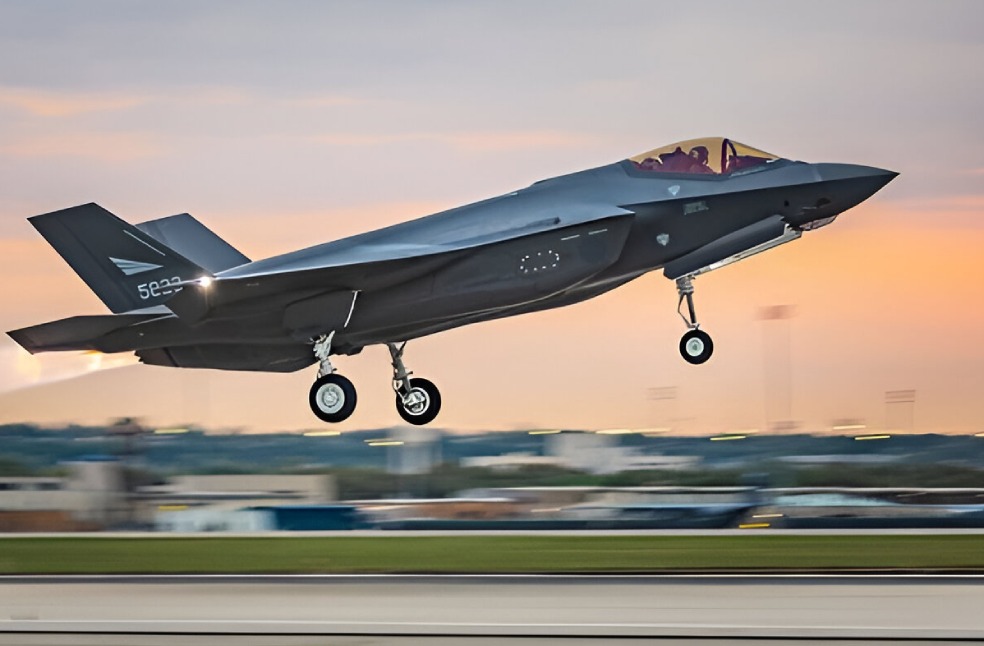
Kerala: A 14-member team of British engineers has arrived in India to begin work on repairing a cutting-edge F-35B fighter jet that has remained grounded at Thiruvananthapuram International Airport in Kerala for more than three weeks.
The state-of-the-art stealth aircraft, operated by the Royal Navy, was diverted to Thiruvananthapuram on June 14 after encountering adverse weather during a sortie over the Indian Ocean. It later reported a technical snag, stopping it from returning to the HMS Prince of Wales, the UK’s flagship aircraft carrier.
Since then, the $110 million jet, known for its short take-off and vertical landing (STOVL) capabilities has become an unusual sight on Indian soil, drawing public interest and online attention. Images and videos of the F-35B parked on the rain-soaked tarmac with the Kerala monsoon have gone viral, even spawning memes celebrating the jet’s prolonged stay in what locals call ‘God’s own country.’
Earlier estimates by engineers aboard the HMS Prince of Wales were unsuccessful in resolving the issue. The British High Commission confirmed that a team of technical experts had been flown in from the UK to conduct a thorough inspection and initiate repairs. The team arrived on a Royal Air Force Airbus, carrying essential professional equipment.
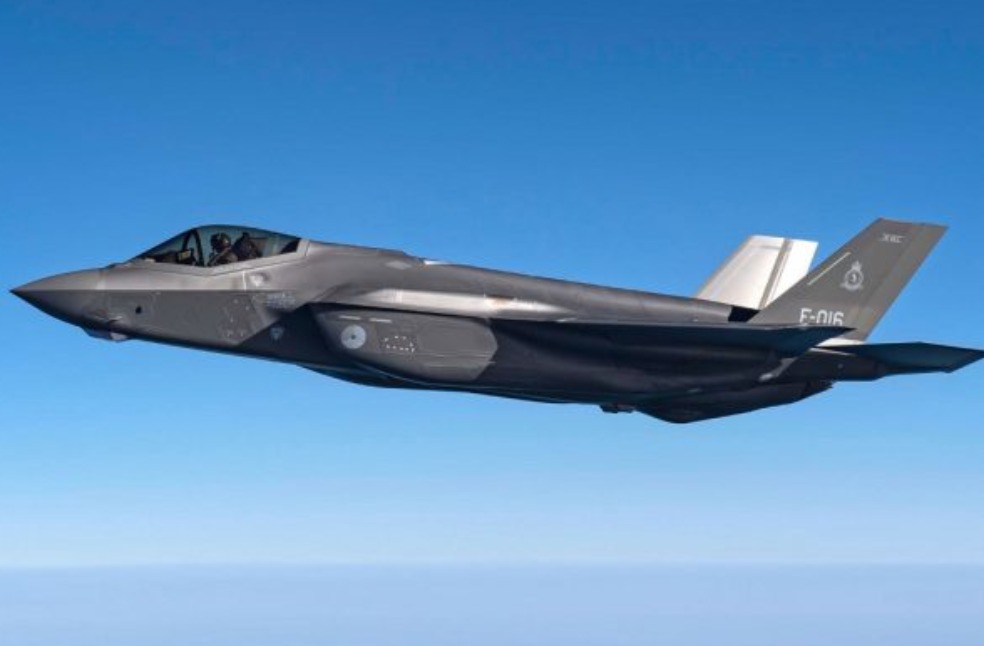
The aircraft has now been moved to the airport’s Maintenance, Repair and Overhaul (MRO) facility. Security around the jet remains tight, with six Royal Air Force officers stationed round-the-clock to guard it.
The incident has also drawn attention in the UK Parliament, with questions raised in the House of Commons about the status and recovery efforts for the stranded aircraft. If the repair team fails to restore the aircraft’s airworthiness, defence analysts suggest it may need to be dismantled and airlifted back to the UK aboard a military cargo aircraft, such as the RAF’s C-17 Globemaster.
The F-35B, built by Lockheed Martin, represents the latest in aerial warfare technology and is typically deployed in high-value missions due to its stealth, agility, and ability to operate from short runways and aircraft carriers. As of now, the British engineering team continues its work at the Thiruvananthapuram facility.
MOST READ | King Charles urges unity on anniversary of 7/7 London Bombings
