


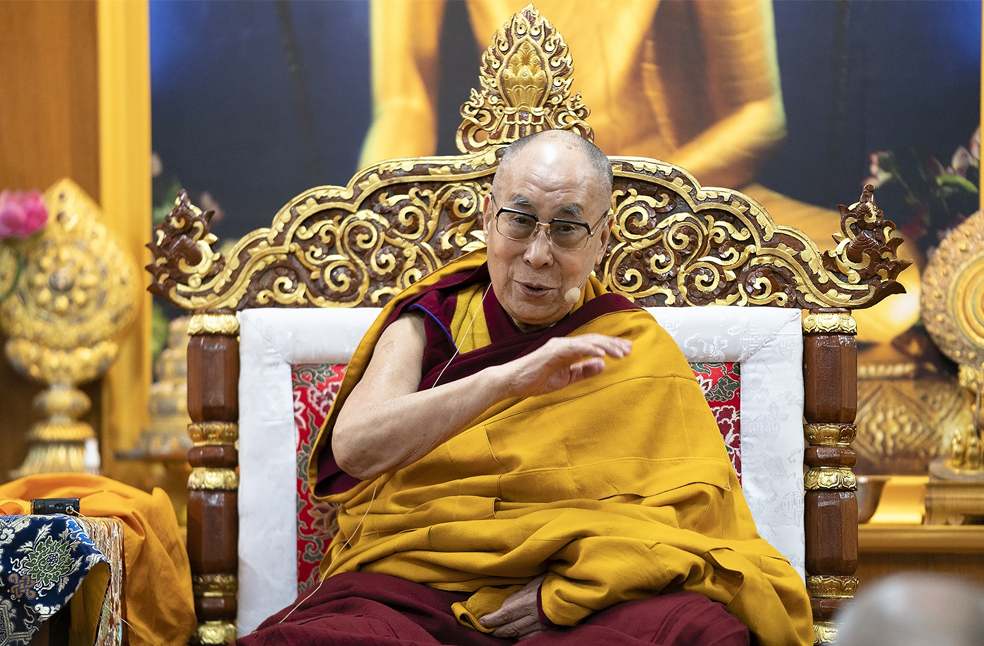
Dharamshala, India: The Dalai Lama has confirmed that the centuries-old Tibetan Buddhist institution will persist after his death, putting an end to years of speculation sparked by earlier remarks suggesting he might be the final holder of the title.
In a pre-recorded statement played during prayer ceremonies ahead of his 90th birthday celebrations, the spiritual head of Tibetan Buddhism and Nobel Peace Prize laureate reaffirmed that the selection of the next Dalai Lama should follow traditional Buddhist practices.
“The institution of the Dalai Lama will continue,” the Lama said, stressing that the process of identifying his reincarnation must remain aligned with historical customs.
Statement Affirming the Continuation of the Institution of Dalai Lama
(Translated from the original Tibetan)
On 24 September 2011, at a meeting of the heads of Tibetan spiritual traditions, I made a statement to fellow Tibetans in and outside Tibet, followers of Tibetan… pic.twitter.com/VqtBUH9yDm
— Dalai Lama (@DalaiLama) July 2, 2025
Not from China
Dalai Lama also maintained that his successor would not be born in China, standing firm against Beijing’s claims. The Chinese government considers the Dalai Lama a separatist and has repeatedly stated that it alone has the authority to oversee the selection and recognition of his reincarnation.
Tibetan Buddhists hold that the Dalai Lama has the power to choose the body into which he is reincarnated, a practice that has taken place 14 times since the role was first established in 1587. Tenzin Gyatso, the current and 14th Dalai Lama, was recognized as the reincarnation in 1940.
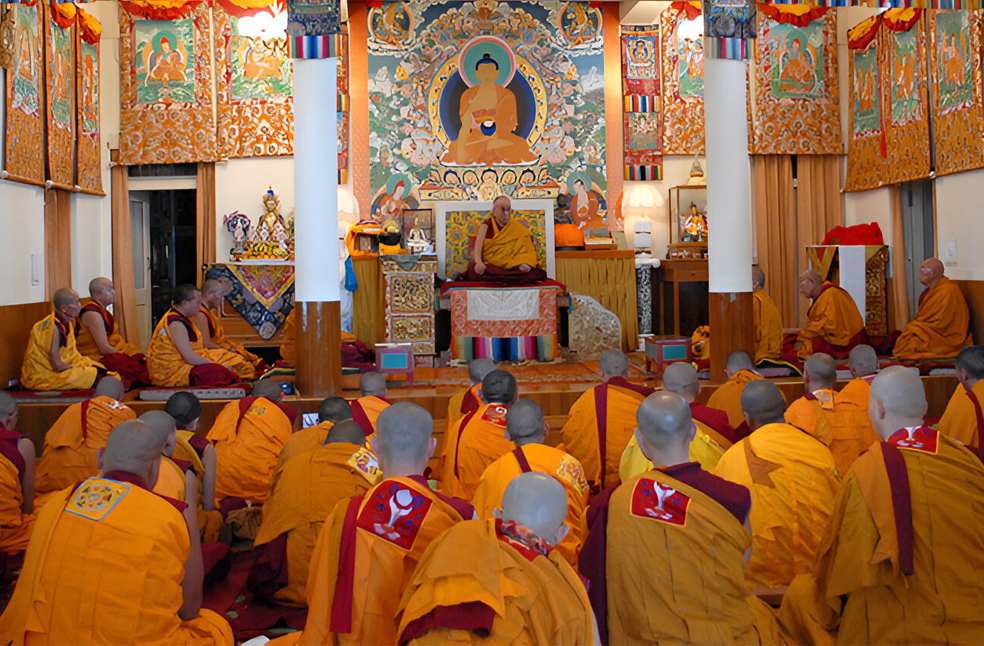
Dalai Lama fled Tibet in 1959 following a failed uprising in the capital, Lhasa, against Chinese control, and has lived in exile in Dharamshala, India, ever since. Despite China’s continued claims over Tibet and its religious institutions, the Dalai Lama’s message signals a clear rejection of external interference in the deeply spiritual Tibetan process of reincarnation.
Most Tibetan Buddhists, both in Tibet and in exile, remain opposed to China’s efforts to assert control over the region’s religious and cultural identity.
RELATED POST | Dalai Lama to address succession plans ahead of 90th birthday
