


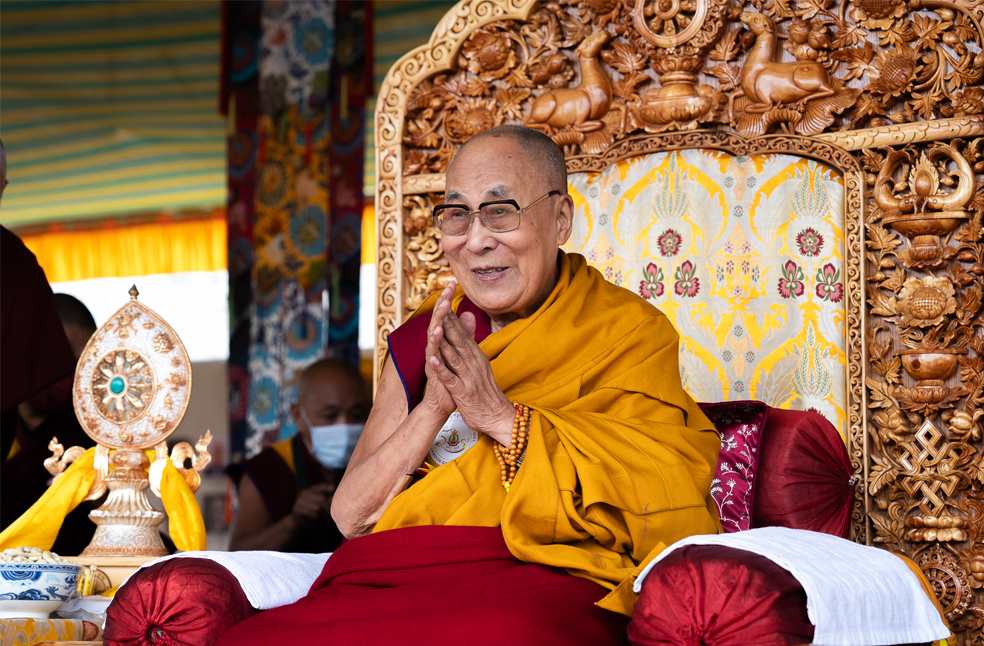
Dharamshala, India: The Dalai Lama is set to speak at a major three-day gathering of Tibetan Buddhist leaders this week, marking a pivotal moment as he approaches his 90th birthday. The highly anticipated event is expected to touch on the topic of his succession, an issue that remains politically sensitive and is fiercely opposed by China.
The spiritual leader, who fled Tibet in 1959 following a failed uprising against Chinese rule, has long been branded a separatist by Beijing. China insists it holds the authority to select his successor, but the Dalai Lama has repeatedly countered this stance, stating that his reincarnation will not occur within Chinese borders and urging followers to reject any candidate chosen by the Chinese government.
Tibetan Buddhists believe enlightened monks are reincarnated to continue their spiritual mission. As the 14th Dalai Lama prepares to turn 90, Lama has indicated he will consult senior monks and advisers to guide where and how his successor, who could be male or female, may be identified after his death.
In a recent speech to followers gathered for long-life prayers, the Dalai Lama reaffirmed his lifelong commitment and remarked that, “The rest of my life I will dedicate for the benefit of others, as much as possible, as extensively as possible.” Lama also hinted at the development of a structured approach to the continuation of the Dalai Lama institution but did not provide further details.
The Dalai Lama currently resides in exile in the northern Indian town of Dharamshala. He has previously stated that he could be reincarnated in India. Recognized as the reincarnation of the 13th Dalai Lama when he was just two years old, he has since become both a global symbol of peace and the spiritual leader of millions of Tibetan Buddhists.
Dolma Tsering Teykhang, the deputy speaker of the Tibetan parliament-in-exile, stressed the importance of hearing directly from the Dalai Lama on the reincarnation issue. Teykhang criticized China’s ongoing attempts to manipulate the process for political gain. “China is trying to grab this institution … for its political purpose,” The Deputy Speaker added.
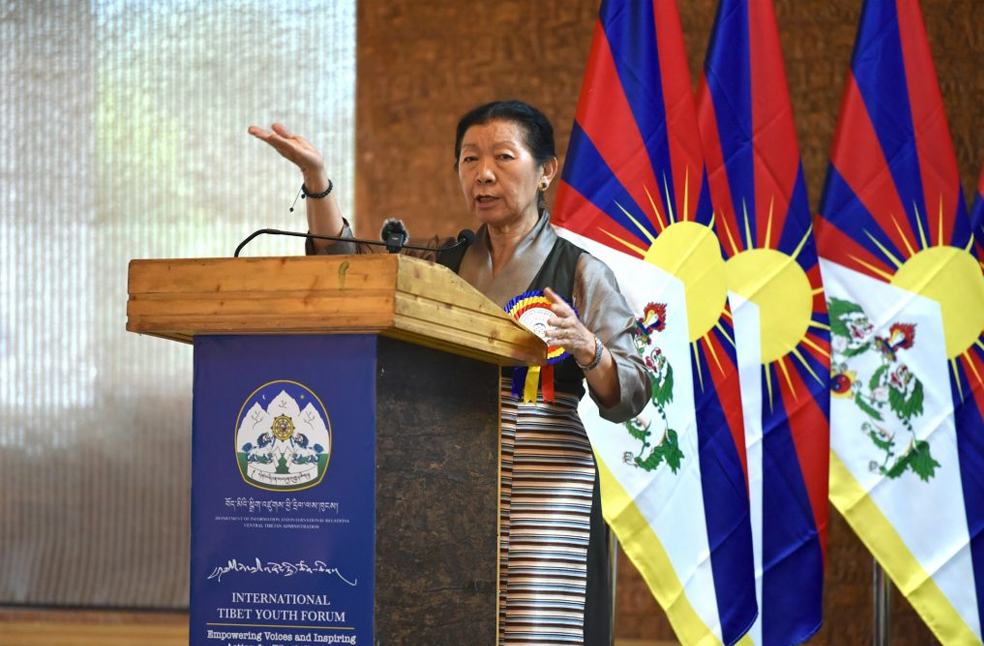
Tibet’s chief state oracle, Thupten Ngodup, added that although such succession discussions traditionally do not happen while a monk is still alive, these are extraordinary circumstances due to China’s persistent interference.
Beijing reiterated in March that it considers the Dalai Lama a political exile with “no right to represent the Tibetan people at all.” China stated it is only open to discussing its future if it formally acknowledges that Tibet and Taiwan are inalienable parts of China, conditions that the Tibetan government-in-exile continues to reject.
The upcoming religious gathering, the first since 2019, will bring together over 100 Tibetan Buddhist leaders. It will feature a video address from the Dalai Lama, and is expected to draw global attention. Among those attending is Hollywood actor Richard Gere, a long-time supporter of the Tibetan cause and follower of Tibetan Buddhism.
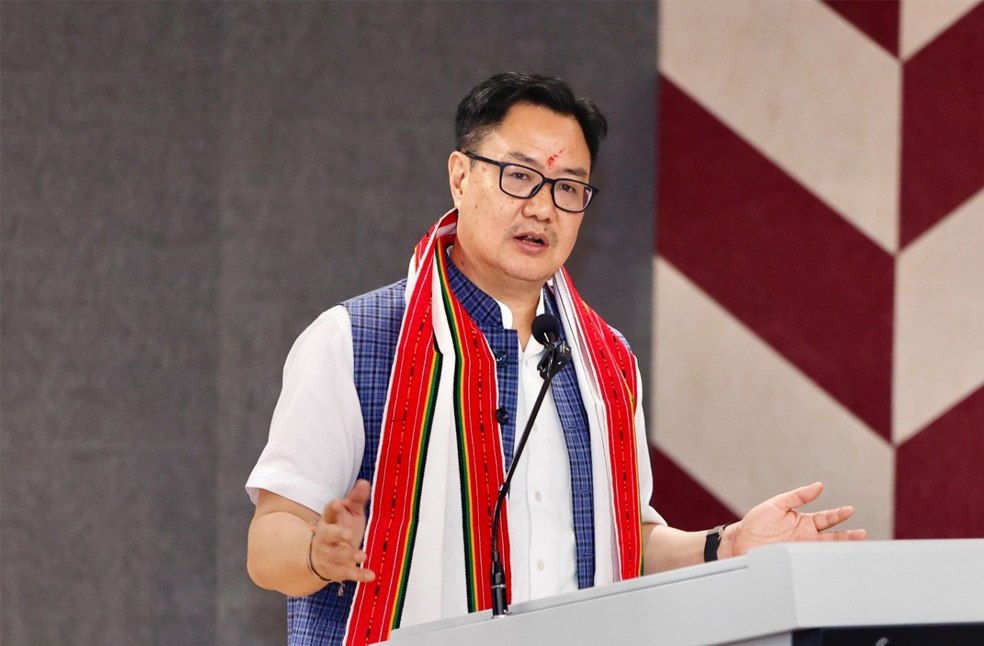
According to the organisers, the Dalai Lama will take part in special prayer ceremonies led by the Tibetan government-in-exile on July 5, followed by his birthday celebration on July 6, where he is expected to speak for approximately 30 minutes. India’s Minister for Parliamentary Affairs, Kiren Rijiju, along with other Indian officials, is also slated to attend the celebrations.
Concerns over the Dalai Lama’s health have grown in recent years, especially following knee surgery in the United States last year. Despite this, Lama told that he believes he could live until the age of 110. This optimism contrasts with the fate of his predecessor, who passed away at the age of 58.
To ensure continuity, the Dalai Lama established the Gaden Phodrang Foundation in 2015, staffed by key aides, to oversee the search and recognition process for his successor. In 2011, Lama made the historic decision to relinquish his political role and transfer authority to a democratically elected leadership, ending a 368-year-old tradition of the Dalai Lamas serving as both spiritual and political heads.
MOST READ | Rwanda, DR Congo sign US-brokered Peace Deal in Washington
