


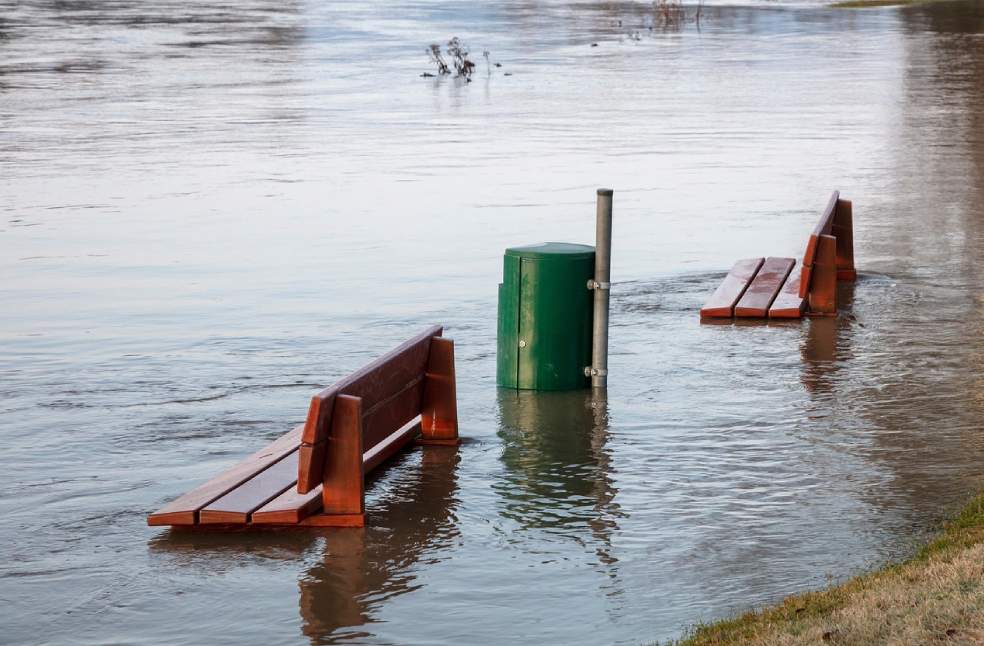
Beijing: China flood compensation has been strengthened to better support people facing forced relocation and losses due to rising extreme rainfall and flood control strategies.
The country has relied more on designated flood diversion zones near rivers to ease downstream flooding, but many of these areas include farmland and homes, adding to social tensions when they are used.
According to new rules issued, the central government will now fund 70 percent of all related compensation, leaving local governments to cover the remaining share. Earlier, this split depended on each region’s economic situation and actual damages.
For the first time, China flood compensation now includes payments for lost livestock and poultry that cannot be moved in time before flood-waters arrive. In the past, only working animals were eligible.
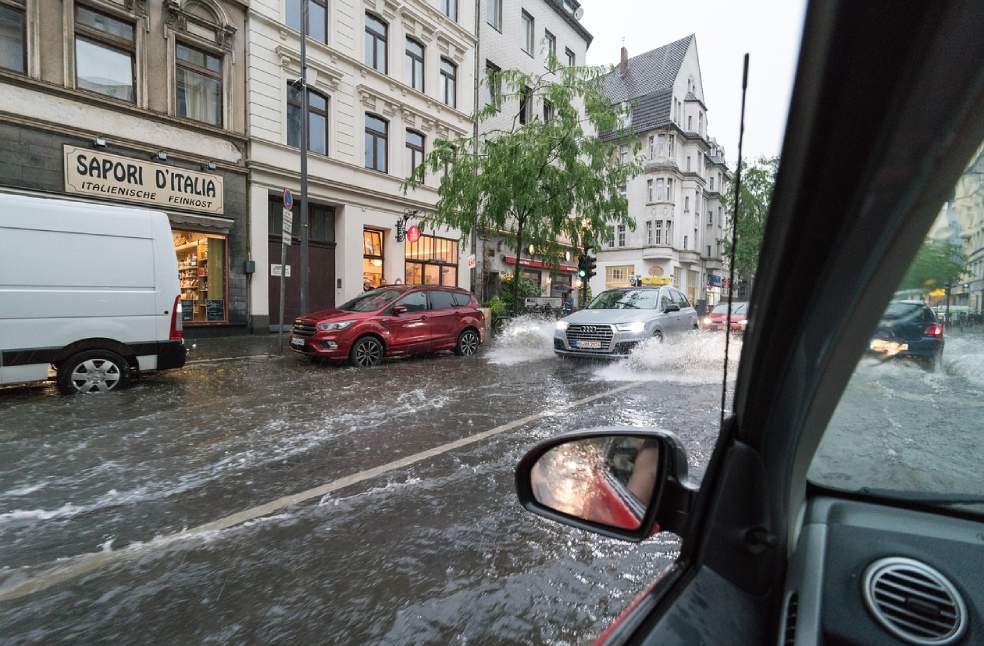
The summer of 2023 highlighted the impact when nearly 1 million people in Hebei Province were relocated after record rains forced diversions to protect Beijing. China has 98 designated flood diversion areas, mostly along the Yangtze River basin where one-third of the population lives. Last year’s Hebei floods alone required the use of eight of these sites.
Since early June, rainfall in parts of the Yangtze has been double the seasonal average, according to China’s Meteorological Administration. Daily rainfall records have fallen in Hubei and Guizhou provinces. One city in Guizhou faced flooding at a scale expected only once every 50 years, catching its 300,000 residents by surprise.
In response, Beijing has pledged to shift people and industries away from high-risk zones and ensure more land is available for flood storage.
The expanded China flood compensation system aims to reduce tensions by guaranteeing fair payouts to communities and farmers whose land or animals are sacrificed to protect urban areas.
ALSO READ | Canada passes Economy Act granting Carney fast-track powers
