


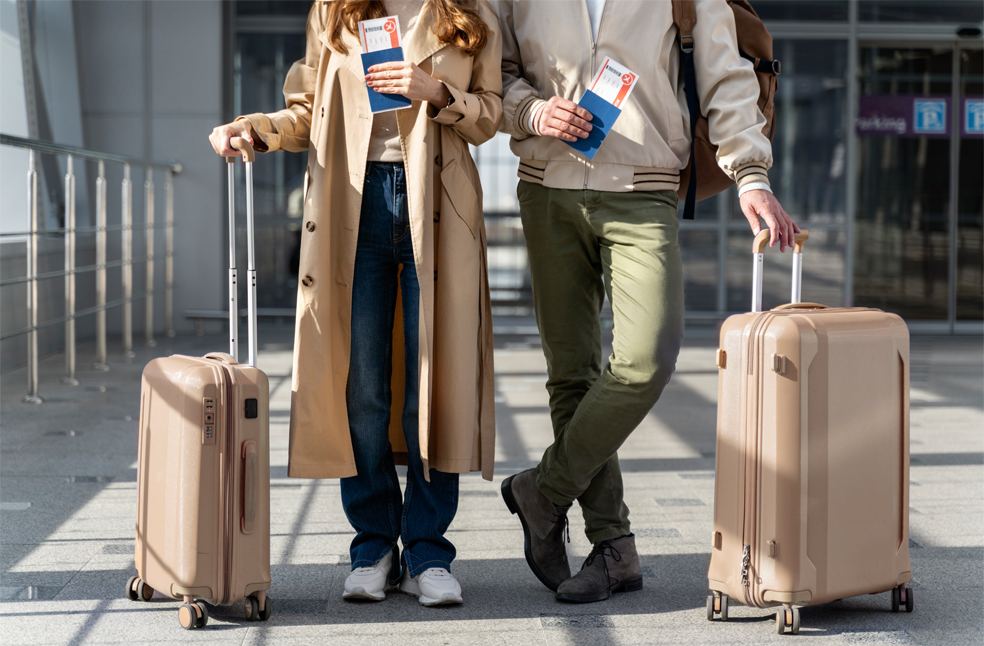
Brussels: The European Union’s Transport and Tourism Committee has proposed landmark updates to air passenger rights, which, if passed, would require airlines to allow passengers two free cabin bags. The committee voted overwhelmingly in favour of the proposal, with 38 votes for, two against, and two abstentions.
Under the proposed changes, passengers would be guaranteed the right to carry one personal item (such as a handbag, backpack, or laptop bag) with maximum dimensions of 40x30x15 cm, and one small hand luggage item, no larger than 100 cm in size and weighing up to 7 kg, free of charge.
This proposal represents a significant shift, especially for budget carriers like Ryanair, easyJet, and Wizz Air, who currently charge passengers for additional hand luggage as part of their core business model.
Additional reforms proposed
- A common reimbursement form to streamline refund requests across airlines
- Free seat selection for children under 12, ensuring they are seated next to an accompanying adult
- Enhanced protections for passengers with reduced mobility, including:
- Free travel for an accompanying person
- Compensation in case of loss or damage to mobility equipment
- Compensation for injuries to assistance animals
- Improved support for multi-modal travellers, those combining flights with other transport modes like trains or buses
Although the reforms are not yet law, they now advance to the European Parliament for further debate and potential approval.
The proposal has sparked concern among airlines. A Ryanair spokesperson criticised the measure, warning that forcing airlines to allow free cabin bags undermines consumer choice and restricts flexible pricing models.
“Europe’s airline market is built on choice, forcing a mandatory trolley bag strips passengers of that choice and obliges passengers to pay for services they may not want or need. The European Parliament should let travellers decide what services they want, what services they pay for, and, importantly, what services they don’t,” the spokesperson said.
Will it apply to Britons?
Even though the UK is no longer an EU member, the reforms would still affect British passengers, as they apply to EU-based airlines, including Ryanair, easyJet, and Wizz Air, frequently used by UK travellers.
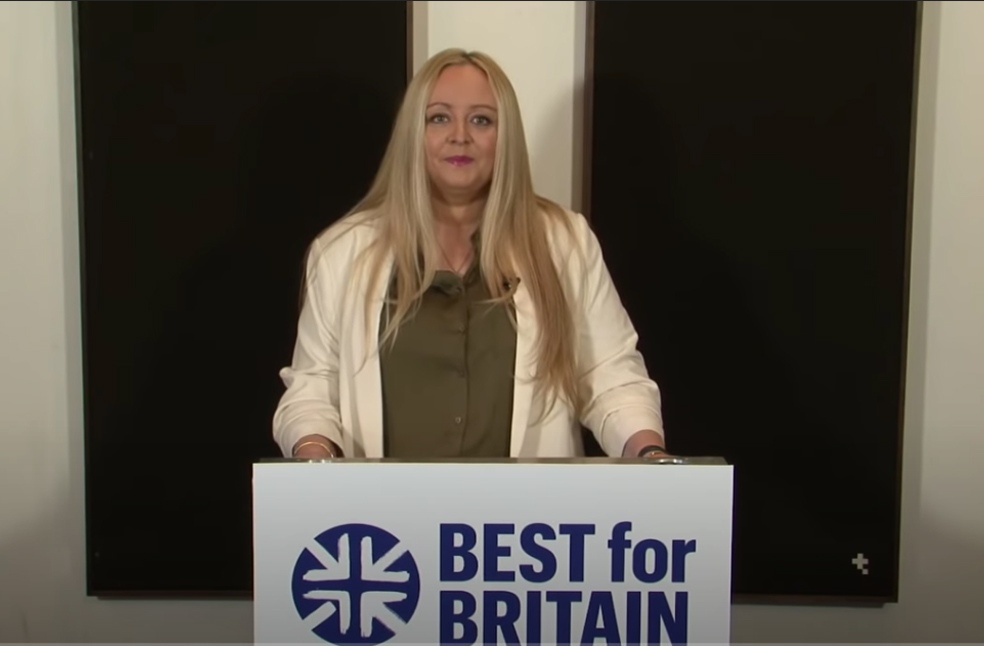
Naomi Smith, CEO of Best for Britain, an organisation advocating for closer UK-EU ties, said the proposal could be a major win for consumers. “Travel is already expensive enough, without that sinking feeling when you’re waiting to board a flight and asked to squeeze your bag into the metal box.”
MOST READ | Sholay Reborn: Iconic Bollywood Classic gets historic revival
