


Iran: Iranian authorities have launched an extensive wave of arrests and executions targeting individuals accused of spying for Israel, in the aftermath of the recent Iran-Israel conflict.
Officials say the crackdown comes in response to what they describe as an unprecedented infiltration of Iranian security agencies by Israeli intelligence operatives. The government claims that intelligence leaks played a key role in a string of targeted assassinations during the 12-day conflict, including the killing of senior Islamic Revolutionary Guard Corps (IRGC) commanders and nuclear scientists. Iran blames Israel’s Mossad for orchestrating these attacks using agents embedded within the country.
Shaken by the scale and precision of the operations, the authorities have intensified efforts to root out alleged collaborators. Since the beginning of Israel’s attacks on June 13, over 700 individuals have reportedly been arrested on espionage charges, according to media reports. Among them, six people have already been executed, three during the conflict and three more immediately after the ceasefire.
State-run media have broadcast what officials claim are confessions by detainees admitting to collaborating with Israeli intelligence. However, human rights groups have raised the alarm, warning of Iran’s history of coerced confessions and unfair trials. They fear many more executions may follow.
The Ministry of Intelligence has declared it is engaged in a relentless battle against Western and Israeli spy agencies, naming Mossad, CIA, and MI6 as primary threats.
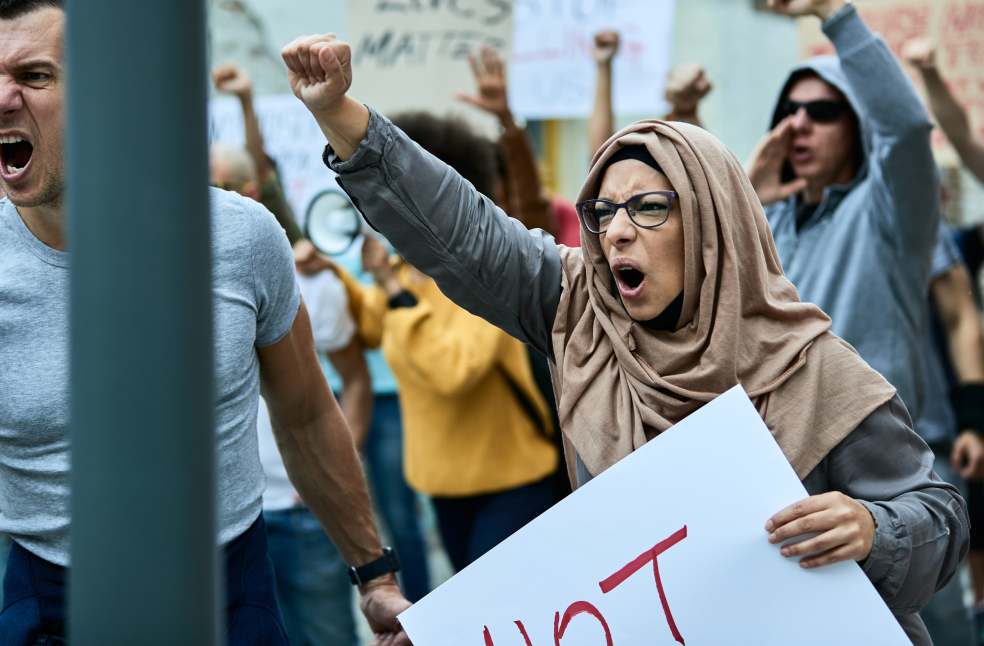
Beyond the alleged espionage cases, the crackdown has widened to include journalists, artists, writers, and activists. Security forces have detained dozens, many without formal charges. Families of those killed during the 2022 ‘Woman, Life, Freedom’ protests have also reportedly been targeted in a move seen as part of a broader effort to stamp out dissent.
Iranian journalists working abroad have also come under pressure. Reporters say their families have been harassed, threatened, or detained. In one case, the IRGC reportedly arrested the parents and sibling of an Iran International anchor, pressuring her to resign by forcing her father to call her with warnings of ‘further consequences.’
These tactics have intensified since the war began, with Iranian intelligence reportedly sending warning texts to citizens whose phone numbers appeared on social media pages linked to Israel, threatening prosecution unless they left the platforms.
Internet access was heavily restricted throughout the conflict and remains limited post-ceasefire. Major platforms such as Instagram, Telegram, YouTube, and X continue to be blocked, accessible only through VPNs, a long-standing practice during times of unrest in Iran.
Analysts are drawing disturbing parallels to the 1980s, when the government carried out mass arrests and executions during and after the Iran-Iraq War. Many fear a repeat of the 1988 massacre, in which thousands of political prisoners were executed in secret trials, with most buried in unmarked graves.
As Iran reels from the war’s impact and a perceived loss of international standing, critics warn that the state is turning inward, using national security as a pretext for widespread repression.
MOST READ | North Korea opens long-delayed Wonsan Kalma beach resort
