


Washington DC: A preliminary Pentagon intelligence assessment reveals that the US airstrikes on Iran’s nuclear facilities did not destroy the country’s nuclear programme, setting it back only by a few months at most, according to sources familiar with the Defense Intelligence Agency (DIA) findings.
The strikes targeted three major Iranian nuclear sites, Fordo, Natanz, and Isfahan, using 30,000 lb (14,000 kg) Massive Ordnance Penetrator bombs, designed to penetrate up to 18 meters of concrete or 61 meters of earth before detonating.
Despite this, DIA suggests that Iran’s underground centrifuges remain largely intact, and the country’s stockpile of enriched uranium was not eliminated.
LET @POTUS COOK 🔥
“President Trump just pulled the Middle East hat trick: Destroyed Iran’s nuke program, no quagmire, pathway to peace… Let him cook.” – @VP pic.twitter.com/6EyoaN1xrI— The White House (@WhiteHouse) June 25, 2025
Satellite images from Maxar Technologies, taken after the strikes, revealed multiple impact craters and a wide grey-blue ash layer at the Fordo site, confirming direct hits to the ridge above the underground complex. However, the extent of subsurface damage remains uncertain, and key parts of the nuclear infrastructure appear to have survived.
While entrances to two nuclear sites were sealed off, and some surface-level infrastructure was damaged or destroyed, much of the deeper facilities escaped major damage. According to US intelligence, some of the enriched uranium stockpile had been moved before the attack, reducing the impact of the strikes.
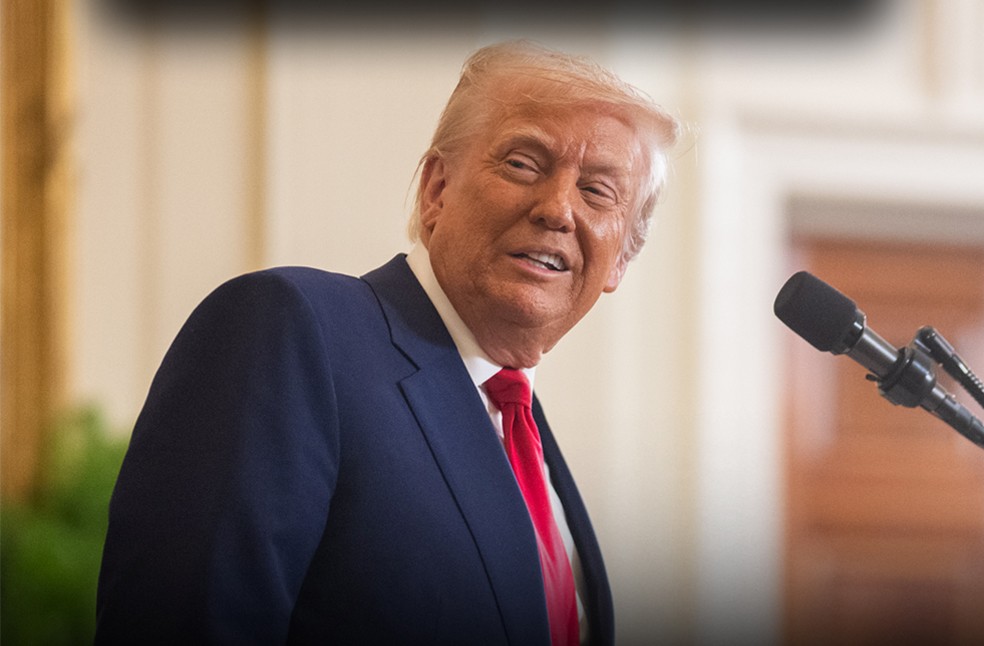
Despite the intelligence findings, President Donald Trump reiterated that Iran’s nuclear facilities were ‘destroyed,’ dismissing the Pentagon’s leaked assessment as ‘flat-out wrong’ and attributing it to a “low-level loser in the intelligence community.” He accused the media of trying to undermine what he called “one of the most successful military strikes in history.”
In a statement, Defence Secretary Pete Hegseth said that “based on everything we have seen – and I’ve seen it all – our bombing campaign obliterated Iran’s ability to create nuclear weapons. Anyone who says the bombs were not devastating is just trying to undermine the President and the successful mission.”

In contrast, Congressman Brad Sherman, a Democratic member of the US House Foreign Affairs Committee, expressed skepticism over the Trump administration’s broad claims.
Officials were using vague language without confirming whether the strikes had destroyed Iran’s ability to weaponise uranium, the centrifuges, or significantly reduced the uranium stockpile, which he noted is enough for nine nuclear weapons.
Hassan Abedini, deputy political director of Iran’s state broadcaster, claimed the targeted sites had been evacuated earlier, adding that “materials had already been taken out”, minimizing the actual loss to Iran’s nuclear program.
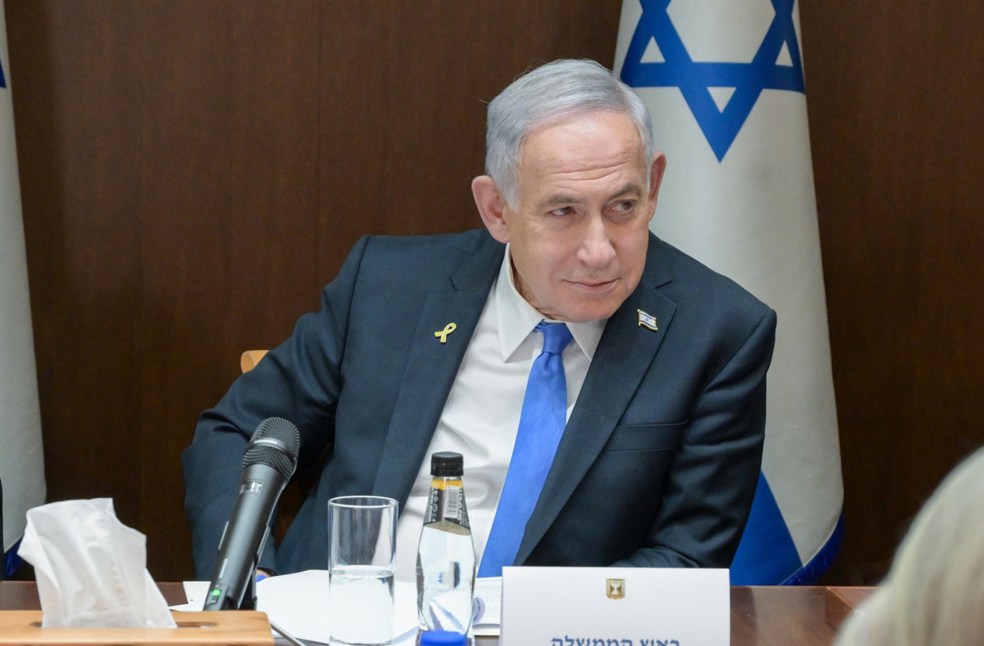
Prime Minister Benjamin Netanyahu said that since hostilities with Iran began on June 13, Israel has been successful in curbing Iran’s nuclear ambitions, as well as destroying its missile arsenal.
“We have removed two immediate existential threats to us – the threat of nuclear annihilation and the threat of annihilation by 20,000 ballistic missiles,” Netanyahu said in video remarks issued by his office.
Following the US operation, Iran retaliated by firing missiles at the Al-Udeid Air Base in Qatar, which houses thousands of US troops. The attack was largely intercepted, with no reported casualties or injuries.
Subsequently, a ceasefire between Iran and Israel, brokered by President Trump with Qatari mediation, was established, marking a temporary pause in hostilities.
The US intelligence community, comprising 18 agencies, often produces assessments that vary based on each agency’s mandate and perspective, highlighting the evolving and sometimes conflicting nature of intelligence, as seen in other past cases such as the origins of COVID-19.
As it stands, the long-term effectiveness of the US strike on Iran’s nuclear program remains contested, with future intelligence reports expected to offer a clearer picture of the true scale of damage inflicted on Iran’s nuclear capabilities.
RELATED POST | Trump declares Iran-Israel ceasefire after 12-day war
