


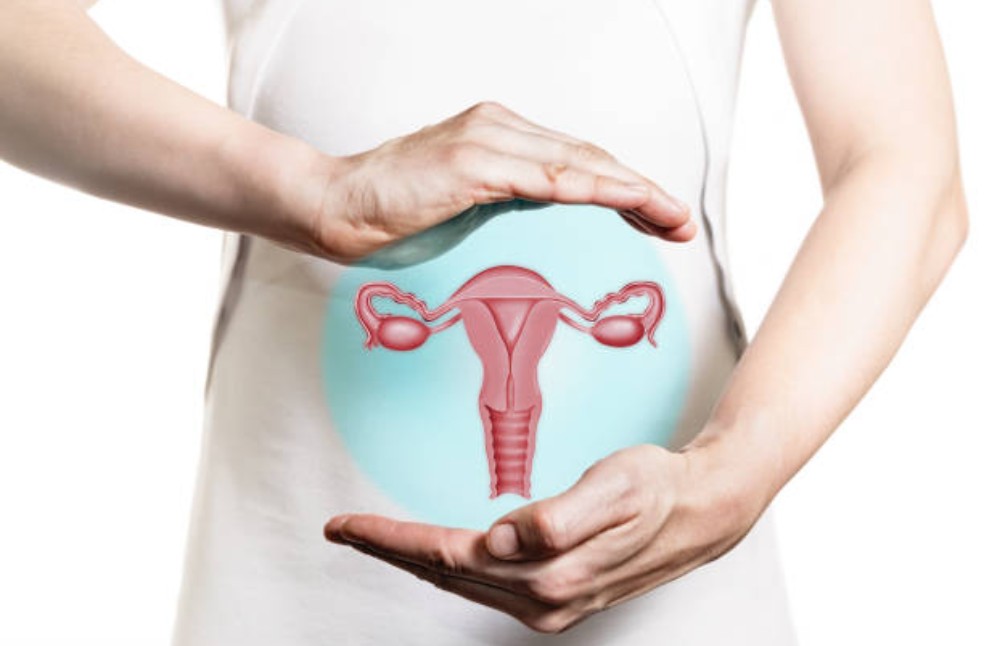
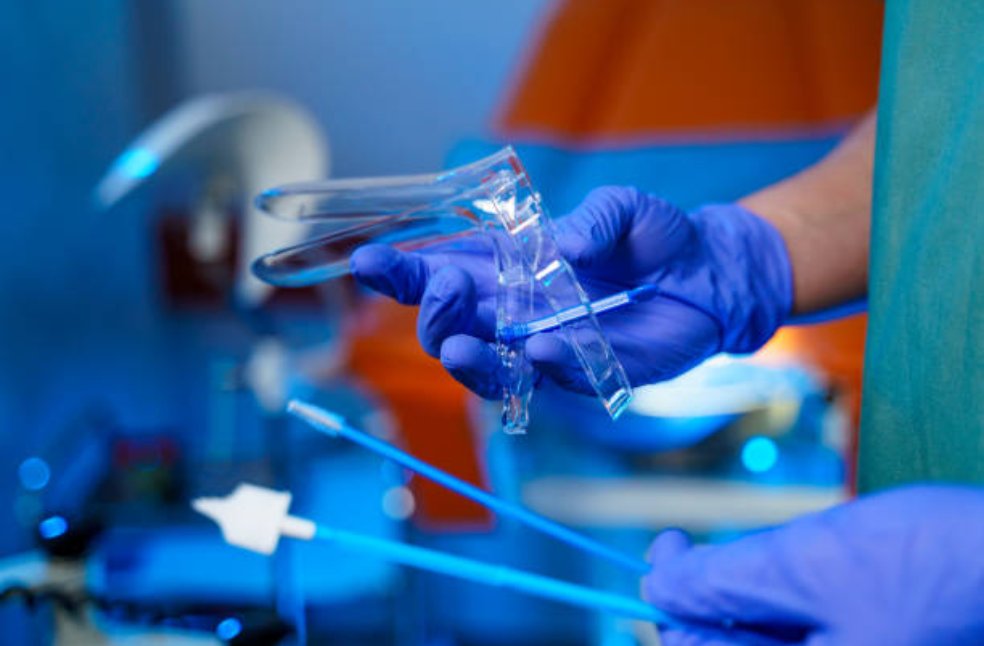
England: At-home cervical screening tests have been made available across England to help more women detect cervical cancer at an early stage. NHS England said that the DIY test kits, which contain a long cotton-wool swab, can be used privately at home to check for human papillomavirus (HPV), the main cause of most cervical cancers.
Women aged 25 to 64 have already been offered routine cervical screening every few years, but government figures have shown that more than five million are not up to date with their tests.
The Department for Health and Social Care has stated that the at-home cervical screening tests has been designed to tackle ‘deeply entrenched barriers’ such as embarrassment, discomfort, lack of time, or religious and cultural concerns that keep women from attending in-person screenings.
Currently, just 68.8 percent of women take up the offer of cervical cancer screening, falling short of the NHS England target of 80 percent. Research and recent trials have suggested that at-home test kits could push the uptake closer to 77 percent within three years, potentially reaching 400,000 more women each year.
Wes Streeting, Health and Social Care Secretary, said that, “we know the earlier cancer is diagnosed the better the chances are of survival. By making screening more convenient, we’re tackling the barriers that keep millions of women from potentially life-saving tests.”
Michelle Mitchell, Chief Executive of Cancer Research UK, noted that, “beating cervical cancer means beating it for everyone” and that the new at-home cervical screening tests “help bring us closer to that goal.”
Eligible women who have missed or rarely attended appointments will receive the kits in discreet packaging with pre-paid return postage. If HPV is detected, they will be invited for an in-person follow-up to check for any cell changes that could lead to cancer.
At-home cervical screening tests has specifically targeted groups who are more likely to miss screenings, including younger women, people with disabilities, ethnic minority communities and LGBT+ people.
The Department of Health and Social Care has said that at-home cervical screening tests could potentially save up to 5,000 lives a year across England.
ALSO READ | Thailand closes border with Cambodia as territorial dispute escalates
