


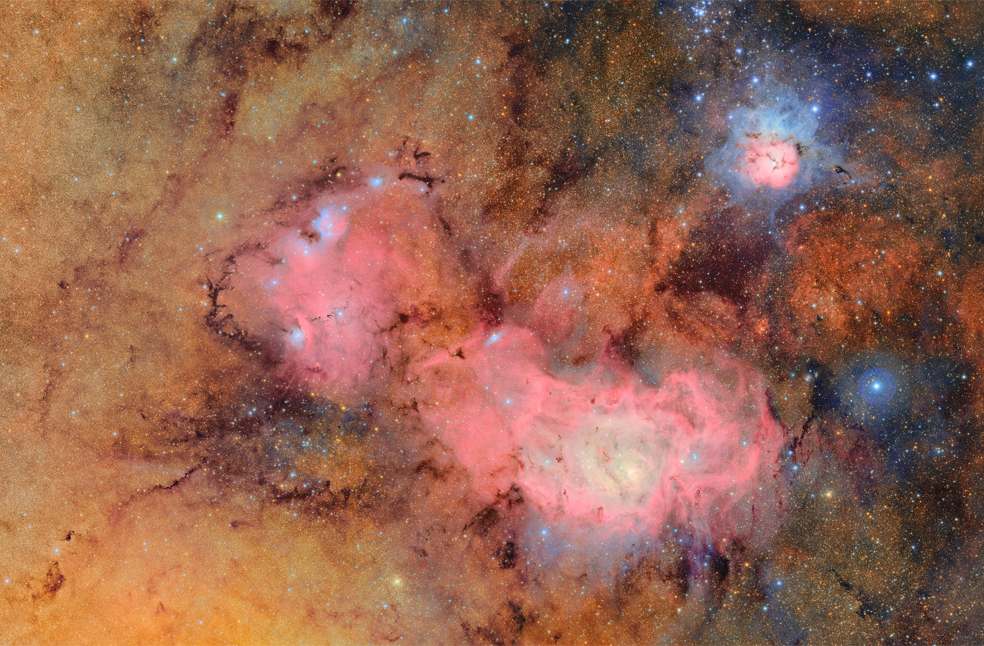
Cerro Pachón, Chile: The Vera C. Rubin Observatory, perched atop Cerro Pachón in Chile’s Andes mountains, has released its first space images, marking a monumental leap forward for astronomy.
Designed to explore the deepest parts of the universe, the observatory’s inaugural images include a vivid portrayal of swirling gas and dust in a star-forming region 9,000 light-years away.
Home to the world’s most powerful digital camera, the observatory is set to redefine our understanding of the cosmos. The UK is a key partner in the project, with its data centres tasked with processing the telescope’s flood of detailed imagery.
Constructed with a revolutionary three-mirror design, the telescope captures light from the sky via an 8.4-meter primary mirror, a 3.4-meter secondary mirror, and a 4.8-meter tertiary mirror, all precisely calibrated to deliver ultra-sharp imaging. The mirrors must be pristinely maintained; even the tiniest speck of dust can compromise their performance.
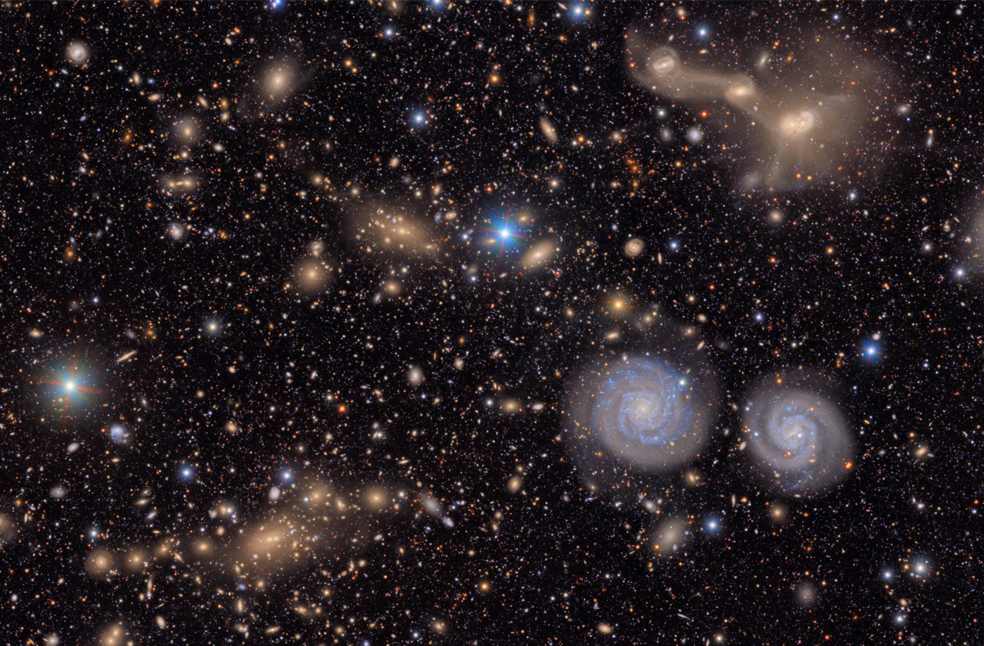
Observatory’s mega camera
Vera C. Rubin Observatory’s 3,200-megapixel camera, developed by the US Department of Energy’s SLAC National Accelerator Laboratory, is so powerful it could photograph a golf ball on the Moon. It measures 1.65m by 3m, weighs 2,800kg, and boasts a field of view that allows it to capture the entire southern sky every few nights.
Its mission: to conduct a Legacy Survey of Space and Time (LSST), a 10-year project capturing images every 40 seconds during nightly sessions lasting 8 to 12 hours. Every three days, the telescope will revisit the same sky regions, enabling it to detect and document changes in space, such as transient objects or emerging cosmic phenomena.
Professor Catherine Heymans, the Astronomer Royal for Scotland, who has been working toward this project for 25 years, highlighted its generational impact. Many scientists involved have devoted decades to bringing this once-in-a-generation observatory to life.
Strict light pollution control is enforced; even vehicle headlights are dimmed to protect the night sky. A dedicated team ensures the interior of the dome remains free from rogue lighting that could affect the telescope’s sensitivity.
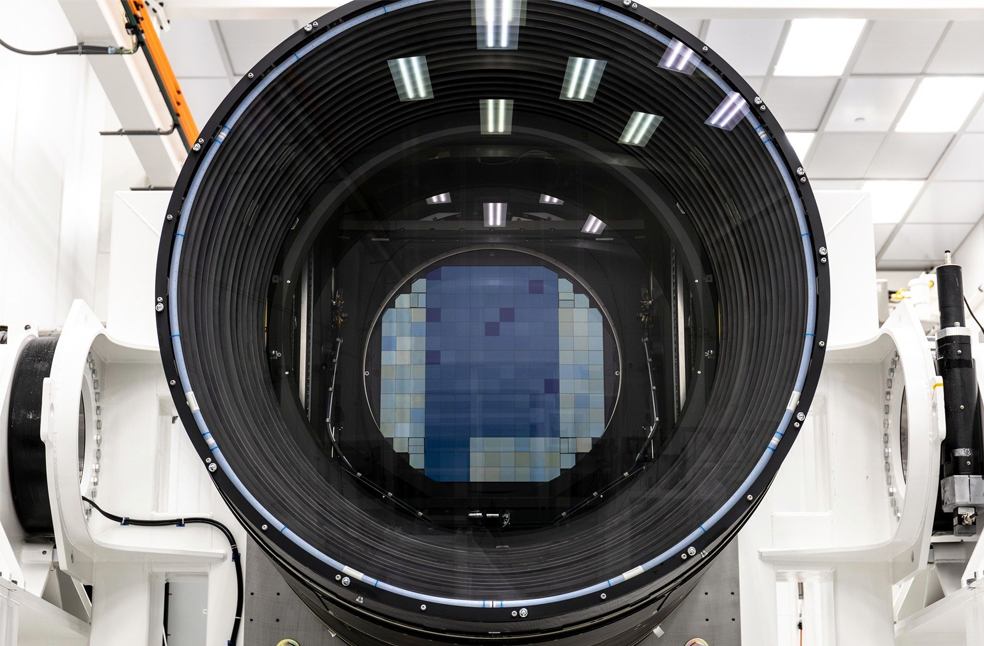
Elana Urbach, a commissioning scientist, explained the need for complete darkness to capture extremely faint cosmic signals. Starlight alone is enough to navigate inside the facility.
According to Guillem Megias, an expert in active optics, the telescope’s speed and high reflectivity make it especially capable of detecting light from distant, and therefore ancient, parts of the universe.
The Vera C. Rubin Observatory is expected to provide answers to long-standing cosmic mysteries, including:
- The existence of dark matter
- The formation of the Milky Way
- The evolution of galaxies
- The potential discovery of the hypothetical Planet Nine, believed to lie 700 times farther from the Sun than Earth
Over the next decade, it will issue up to 10 million data alerts per night, offering scientists globally an unprecedented stream of real-time cosmic data.
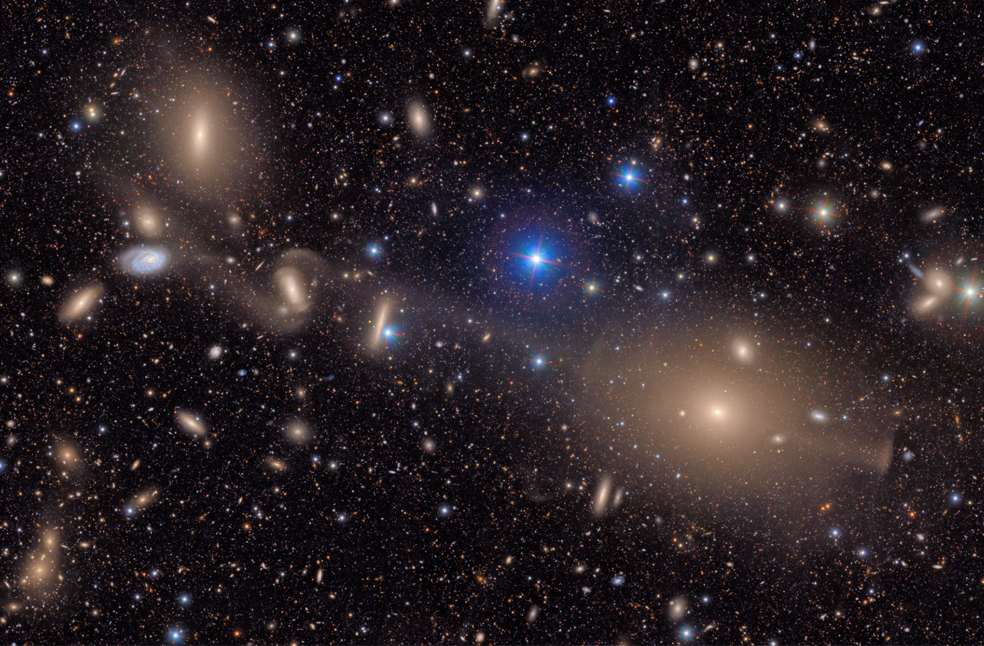
It will also track asteroids that could threaten Earth, like asteroid YR4, which sparked concern earlier in 2025, and map small, faint satellite galaxies as well as the Milky Way’s stellar halo, or the remains of stars destroyed over time.
According to Professor Alis Deason of Durham University, the telescope could expand stellar observation from the current limit of 163,000 light-years to as far as 1.2 million light-years, allowing exploration into previously unreachable zones of the galaxy.
For many involved, this project represents the culmination of decades of passion. Megias reflected on meeting a colleague who had worked on the project since 1996, a year before he was born. “It makes you realize this is an endeavor of a generation of astronomers,” the expert said.
Prof. Heymans concluded that, “It’s going to take us a long time to understand how this new beautiful observatory works. But I am so ready for it.”
ALSO READ | India to halt Indus Waters Treaty; Plans flow diversion
