


Close Menu

    Get the latest news around the globe

    Editor's Pick

    Nvidia profits soar amid unstoppable AI boom

    Koala chlamydia vaccine approved to protect wild populations

    OpenAI explores share sale in latest funding talks

    Facebook X (Twitter) Instagram
    Facebook X (Twitter) LinkedIn Instagram
    Britain HeraldBritain Herald
    Subscribe
    • Home
    • World Roundup
    • Business
    • Tech World
    • Entertainment & Events
    • Curious
    • More…
      • Spotlight
      • Knowledge
      • Lifestyle
      • Awareness
      • Women World
      • Sports
      • Travel
      • Notable
      • Contact Us
    Britain HeraldBritain Herald
    Home » Cyber experts warn after 16 bn credentials found online
    Tech World

    Cyber experts warn after 16 bn credentials found online

    A massive cache of stolen login data linked to infostealer malware highlights growing threats to online privacy.
    Trainee ReporterBy Trainee ReporterJune 21, 2025
    Facebook Twitter LinkedIn WhatsApp
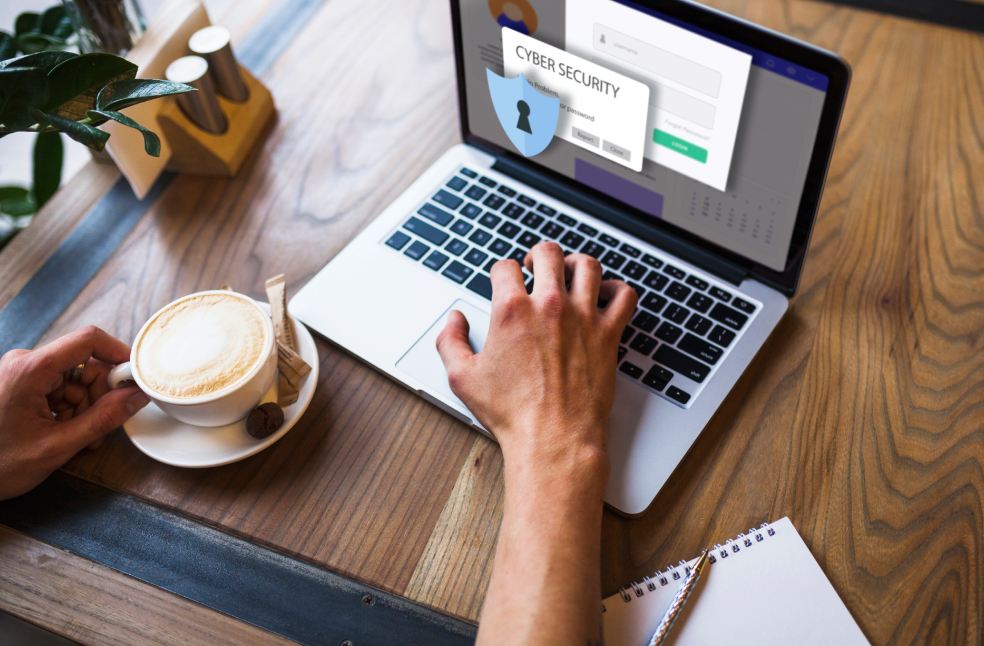
    Cyber experts warn after 16 bn credentials found online
    Image Via: Freepik | Cropped by BH

    Lithuania: Internet users have been urged to change their credentials and strengthen their online security after researchers uncovered what may be one of the largest collections of stolen login credentials ever identified—an astonishing 16 billion records.

    The discovery was made by cybersecurity researchers at Cybernews, who revealed they had found 30 separate datasets comprising credentials collected through malicious software known as ‘infostealers’ and previous data breaches. These troves of data were reportedly exposed online only for a short time but contained login information that could potentially grant access to services like Facebook, Apple, and Google.

    Despite the alarming figures, the researchers clarified there was no centralised data breach at any of the major tech companies. Instead, the data appears to have been compiled from historical breaches and malware attacks that silently harvest credentials from infected devices.
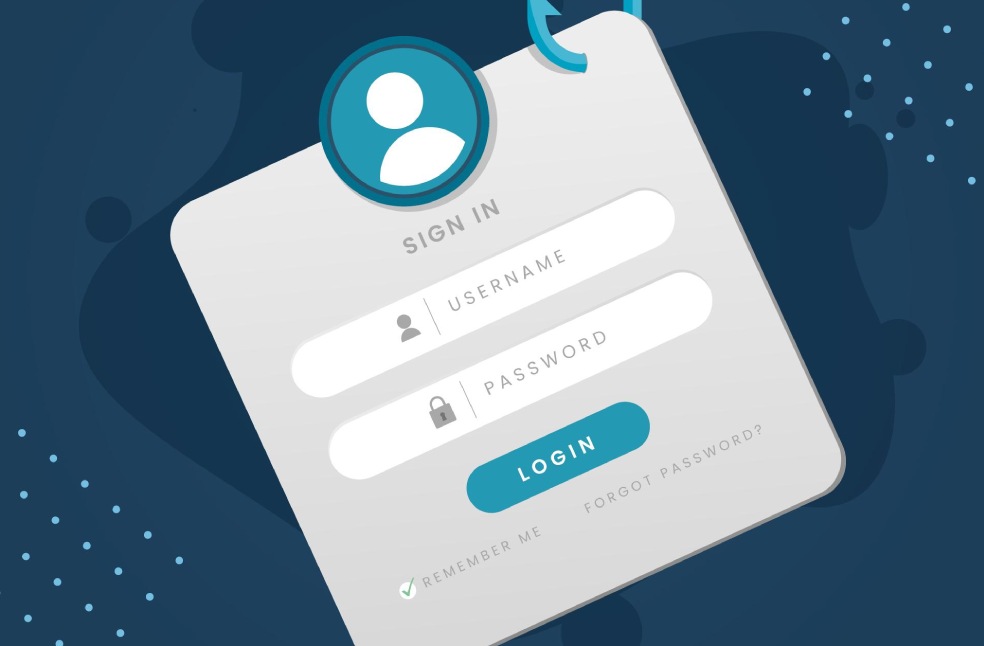
    Cyber experts
    Image Via: Freepik | Cropped by BH

    Cybersecurity expert Bob Diachenko, who led the investigation, stated that around 85 percent of the leaked information came from infostealers, with the remaining 15 percent tied to past leaks, including the well-known LinkedIn breach. According to Diachenko, the files became briefly accessible due to poor storage practices on remote servers. Though quickly removed, the data was online long enough for researchers to retrieve it.

    The data followed a consistent structure, typically starting with a URL and followed by usernames and passwords, making it highly usable for cybercriminals.

    Representatives from Apple and Meta (Facebook’s parent company) have yet to comment, but a Google spokesperson confirmed the dataset was not the result of a Google-specific breach. Instead, they advised users to safeguard their accounts using password managers and tools like two-factor authentication (2FA).

    Cybernews encouraged users to verify if their credentials were compromised by checking platforms. Experts warn the datasets present a ‘blueprint for mass exploitation, paving the way for identity theft, phishing attacks, and account takeovers. Toby Lewis of Darktrace said the malware behind the leak doesn’t necessarily hack accounts directly but collects sensitive browser data and login cookies.

    Peter Mackenzie of Sophos emphasised that while the size of the data is staggering, much of it likely has been circulating in cybercriminal circles already. Still, the research illustrates how accessible this kind of information has become.

    A wake-up call for online hygiene

    Alan Woodward, professor of cybersecurity at the University of Surrey, likened the revelation to a digital spring cleaning reminder. Alan Woodward stated, “The fact that everything seems to be breached eventually is why there is such a big push for zero-trust security measures.”

    While the datasets have since been removed and were only briefly online, researchers warned the exposure still poses risks due to the high quality and scale of the data involved. Only one of the 30 discovered datasets had been previously reported.

    As the internet becomes increasingly intertwined with daily life, cybersecurity professionals continue to stress the importance of taking personal responsibility for digital safety. With billions of records potentially at risk, experts say the best defence remains strong, unique passwords, secure storage tools, and vigilant monitoring.

    MOST READ | Iran rules out nuclear talks as conflict with Israel escalates

    STAR OF SECTOR 2025
    Change Your Password Cyber Alert Cyber Threats Cybersecurity Data Leak Digital Hygiene Infostealer Online Safety Password Leak
    Share. Facebook Twitter LinkedIn WhatsApp
    Avatar
    Trainee Reporter

    The news/article published above has been sourced, compiled, and corroborated by a Trainee Reporter at Britain Herald. If you have any queries or complaints about the published material, please get in touch with us at BritainHerald@Gmail.Com

    Newly Updated

    Kalmaegi kills 114; Philippines declares state of emergency

    November 6, 2025

    Study predicts steep coral loss at Great Barrier Reef by 2050

    November 6, 2025

    Afghanistan sees major decline in opium cultivation

    November 6, 2025
    STAR OF SECTOR 2025

    Business

    Afghanistan sees major decline in opium cultivation

    World Roundup November 6, 2025

    Vienna: The United Nations Office on Drugs and Crime (UNODC) has reported that opium farming…

    Amazon challenges Perplexity over ‘agentic’ shopping bot

    November 5, 2025

    Shein faces French backlash; Bans all sex dolls globally

    November 4, 2025

    Starbucks sells majority stake in China business in $4bn deal

    November 4, 2025
    Stay In Touch
    • Facebook
    • Twitter
    • LinkedIn
    • Instagram

    Curious

    Zodiacal Light: How to spot the subtle pre-dawn sky glow

    September 29, 2025

    Rare ‘blood moon’ lunar eclipse to light up UK skies

    September 7, 2025

    Massive ice calving at Perito Moreno Glacier sparks concern

    May 16, 2025

    Glowing Spiral appears in night sky; Linked to SpaceX Falcon 9 Rocket

    March 25, 2025

    Get the latest news around the globe

    Knowledge

    World Tsunami Awareness Day 2025 calls for global preparedness

    Awareness November 5, 2025

    World Tsunami Awareness Day 2025 strengthens the acute need to build disaster-resilient communities through the…

    Work Anywhere: How remote work is redefining offices

    October 25, 2025

    Voices of tomorrow: How Gen Z is rewriting the global narrative

    October 19, 2025

    World Mental Health Day 2025 spotlights psychological care in crises

    October 10, 2025
    18-EA-387-TryEngineeringSummerInst_BannerAd_300x250_Robot
    About Us
    About Us

    Britain Herald is a global news brand that plays a significant role in educating and informing the masses with informative content, the latest updates, and current affairs across the World.

    Operated and Managed by WellMade Network, the portal is a sister concern of GCC Business News and Emirati Times. For inquiries about Media Partnerships, Investment and other opportunities in line with our Editorial Policy, please contact us at;

    Email Us: News@BritainHerald.com
    Whatsapp: +971 5060 12456

    We Have

    Kalmaegi kills 114; Philippines declares state of emergency

    November 6, 2025

    Study predicts steep coral loss at Great Barrier Reef by 2050

    November 6, 2025

    Afghanistan sees major decline in opium cultivation

    November 6, 2025

    Vibe coding recognised as Collins Dictionary’s Word of the Year

    November 6, 2025
    Facebook X (Twitter) LinkedIn Instagram
    • Home
    • Business
    • Tech World
    • Awareness
    • Contact Us
    Privacy & Cookies Policy | Terms & Conditions
    © 2002 BritainHerald.com, An Initiative by WellMade Network

    Type above and press Enter to search. Press Esc to cancel.