


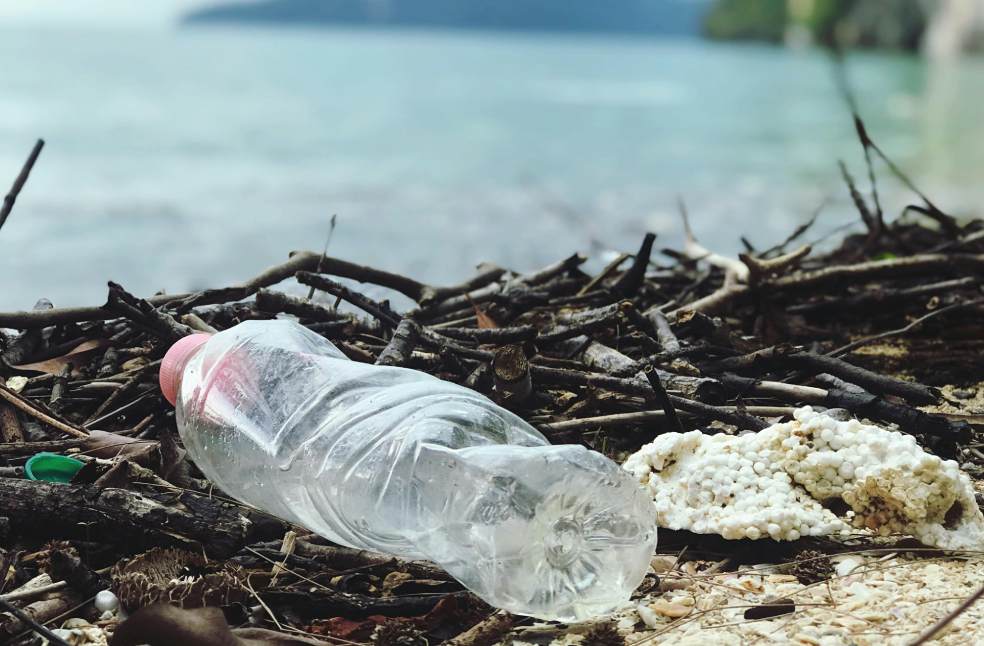
United States: Efforts are helping reduce plastic bag use and keep them off US shorelines, according to a major new study.
According to an analysis of more than 45,000 cleanups across the US between 2016 and 2023, areas that introduced policies to limit plastic bag usage saw at least a 25 percent drop in bag litter compared to places without such measures.
Researchers from the Ocean Conservancy and leading universities examined 182 local and state policies, comparing how they influenced the presence of plastic bags collected during shoreline cleanups. The study, believed to be the largest of its kind, used data where bags were recorded as a percentage of total litter.
The findings reveal that state-level bans or charges are more effective than those enforced by individual towns or counties. Areas that already struggled with high levels of plastic bag litter saw the strongest improvements after policies were put in place.
Lead author Anna Papp stated that, “Stronger results in areas with a higher baseline of plastic bag litter means these policies may be especially effective in these areas.” However, researchers cautioned that despite the positive impact of regulations, plastic bag litter is still growing nationwide just at a slower rate in regions with policies.
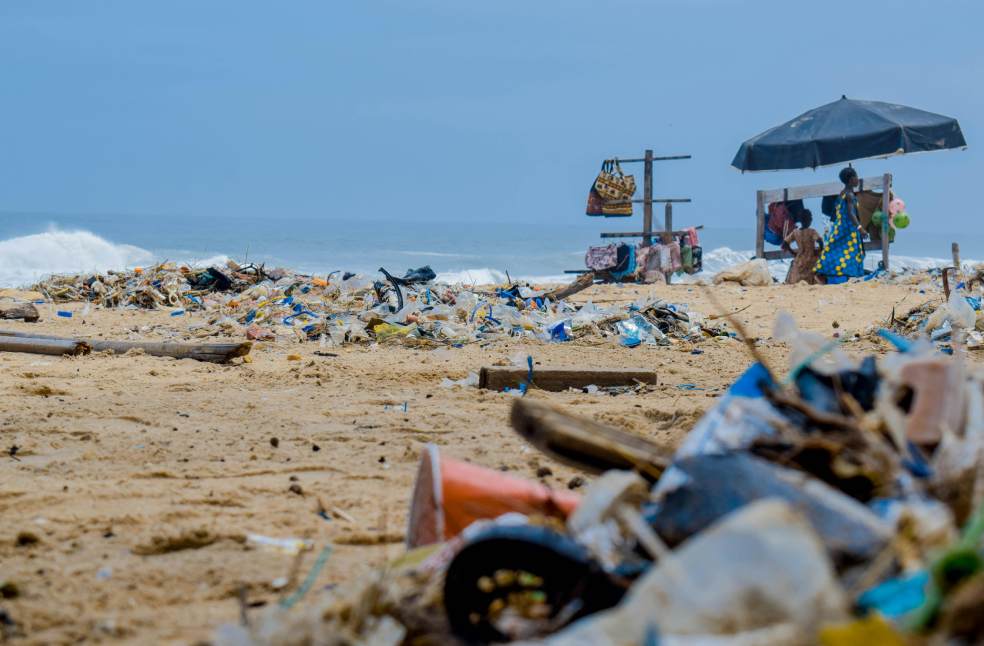
Bags remain among top shoreline litter items
Plastic bags made up an average of 4.5 percent of all items collected, ranking fifth behind cigarette butts, food wrappers, plastic bottle caps, and plastic drink bottles.
The variation in plastic bag laws across the US made it a unique testing ground for the study. Some regions have full bans, others only restrict certain types like thin bags, while some apply fees. Meanwhile, some states have pre-emption laws that prevent local governments from regulating plastic bags at all.
Global action on plastic pollution still essential
The findings come as momentum builds for global action on plastic waste. In August, negotiations are set to resume for the world’s first international plastics treaty, after talks stalled late last year. Papp emphasised that while the study highlights progress, it also points to the limitations of bag-only policies.
Papp remarked that, “Plastic bag policy addresses just one part of the problem. More comprehensive solutions are needed to address it entirely, with a focus on the production side, consumption, and waste.”
In contrast, the UK has seen dramatic success in reducing plastic bag waste. Following the introduction of bag charges starting in 2011, surveys have shown an 80 percent drop in bags washing up on beaches over a decade.
MOST READ | UK Heatwave Alert: 33C forecast may break temp record
