


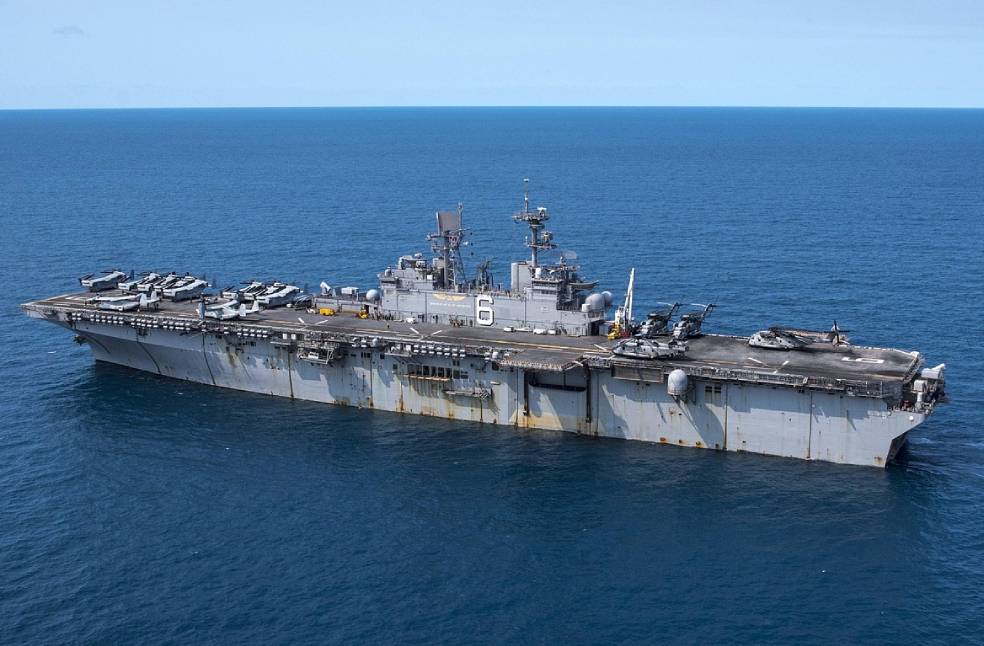
Tokyo: Chinese naval drills near Japan have heightened security concerns in Tokyo and sparked official protests. China’s two aircraft carriers, Shandong and Liaoning, have carried out synchronized training in the Pacific, marking a rare show of naval strength.
Japan has confirmed that these Chinese naval drills near Japan have included over 500 landings and takeoffs by fighter jets and helicopters. Some jets have flown dangerously close to Japanese patrol planes, prompting Japan to express serious concern about possible mid-air collisions.
Tokyo’s defense ministry has disclosed detailed tracking data, showing the daily positions of both Chinese carriers since May 25. Typically, Japan avoids revealing such foreign military movements, but the scale of the operations has led to greater transparency. The map reveals both ships approaching Japan’s islands and passing through its exclusive economic zone, where Japan controls marine resources but must allow free navigation.
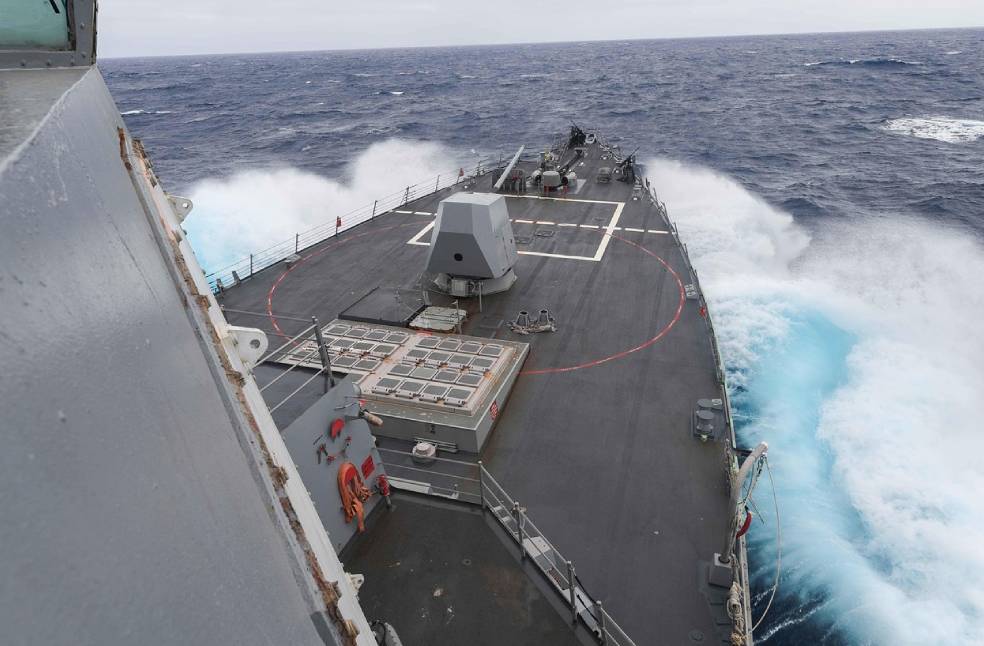
One significant development shows Liaoning moving beyond the so-called “second island chain,” a strategic defense line that connects Japan to Guam, a first for a Chinese carrier, according to Japanese sources.
On June 7, a Chinese jet launched from Shandong and shadowed a Japanese surveillance aircraft for about 40 minutes. The following day, another Chinese fighter flew even closer and crossed ahead of a Japanese plane, further raising safety concerns.
China has maintained that the Chinese naval drills near Japan comply with international law and has blamed Japan for close reconnaissance activities that could heighten security risks. Both countries have confirmed ongoing communication through diplomatic channels to manage tensions and avoid accidents.
ALSO READ | Rwanda-DRC peace agreement moves closer to final deal
