



London: In a breakthrough for cancer treatment, scientists in the UK have hailed a chemotherapy-free drug combination for chronic lymphocytic Leukaemia (CLL) as a ‘milestone’ following the success of the FLAIR trial.
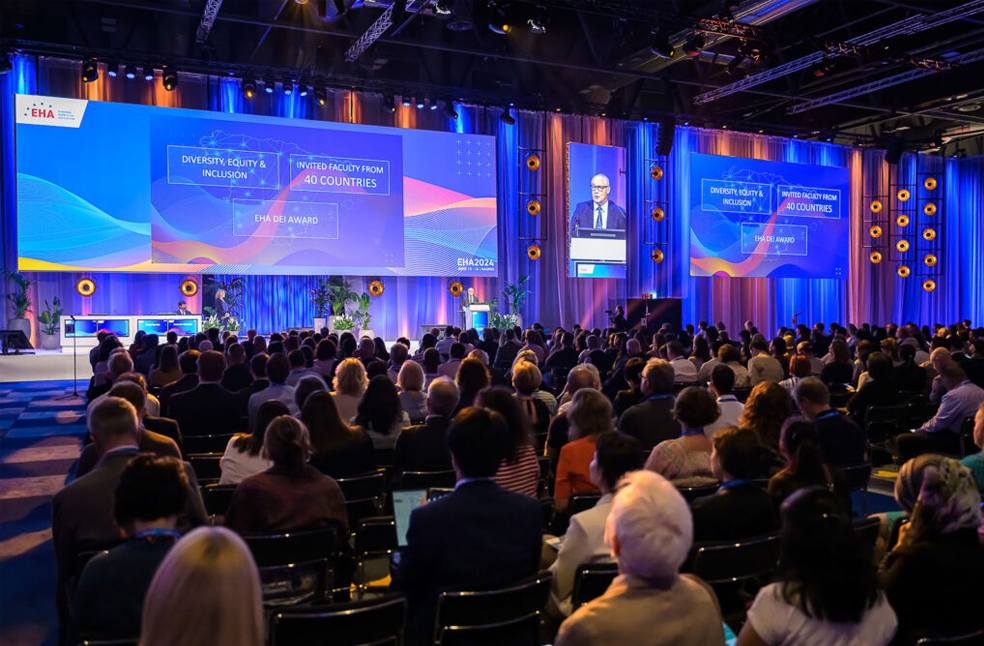
The results, published in the New England Journal of Medicine and presented at the European Haematology Association congress in Milan, suggest that this new targeted approach may offer a more effective and better-tolerated treatment for the most common form of Leukaemia in adults.
Large-scale study across UK
The large-scale study involved 786 patients with previously untreated CLL across 96 cancer centres in the UK. Participants were randomly assigned to receive either standard chemotherapy, a single targeted drug (ibrutinib), or a combination of two targeted drugs, ibrutinib and venetoclax with treatment tailored through personalized blood tests.
Ibrutinib is a cancer growth blocker that disrupts the signals cancer cells use to grow and divide, while venetoclax targets a specific protein found in CLL cells. The results were striking:
- After five years, 94 percent of patients who received the drug combination were alive with no disease progression.
- This compared to 79 percent for patients on ibrutinib alone and only 58 percent for those treated with chemotherapy.
- Additionally, 66 percent of patients on the drug combination showed no detectable cancer in their bone marrow after two years, compared to 0 percent for ibrutinib alone and 48 percent for chemotherapy.
Experts noted that not only was the dual-drug therapy more effective, but it also resulted in fewer side effects, marking a move towards kinder, more personalized cancer care.
Dr. Talha Munir, consultant haematologist at Leeds Teaching Hospitals NHS Trust and the study’s lead investigator, emphasized that the FLAIR trial represents a shift in treatment philosophy and noted that, “We have shown that a chemotherapy-free approach can be not only more effective but also more tolerable. By tailoring treatment based on how well cancer responds, we’re entering an era of truly personalized medicine.”
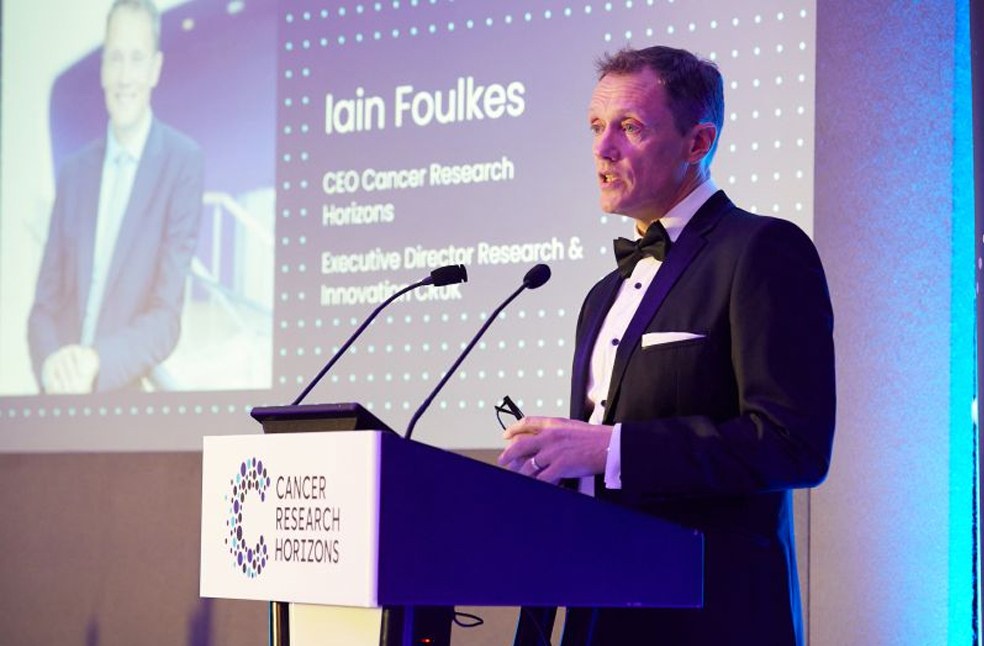
Dr. Iain Foulkes, executive director of research and innovation at Cancer Research UK, which co-funded the study with AbbVie and Johnson & Johnson, praised the collaborative effort and remarked that, “The results show we can provide kinder, more targeted treatment that gives people with CLL more precious time with their loved ones. It’s a powerful example of what research partnerships across the UK can achieve.”
Chronic Lymphocytic Leukaemia affects affects the blood and bone marrow, and while it is usually not curable, it can be managed effectively with treatment. The UK sees around 4,000 new cases of CLL each year. This new trial could help reshape treatment protocols worldwide.
ALSO READ | Military Parade for Trump’s 79th birthday draws protests
